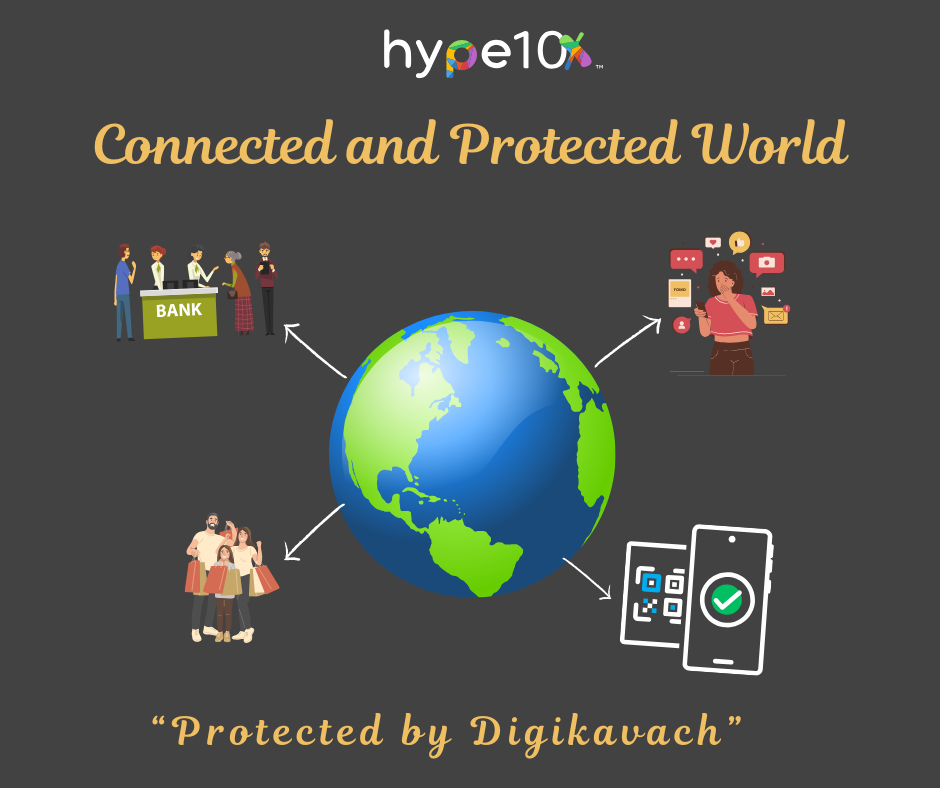

India is experiencing a rapid surge in digital adoption. From UPI payments and online shopping to fintech loans and digital banking, millions of new users are coming online every year. But this growth has a dark side: A sharp rise in online scams, phishing attacks, fake loan apps, fraudulent ads, and impersonation attempts. Recognizing this threat, Google launched Digikavach, An initiative aimed at strengthening India’s digital safety net and helping people stay protected from financial fraud.
Rather than being a single product, Digikavach is a broad safety framework. It brings together Google’s technical defences, collaborations with government and industry, AI-powered protections, and public awareness campaigns to stop scams before they happen. It’s part of Google’s wider Safety Charter for India’s AI-led Transformation, which outlines how the company plans to make India’s internet safer while expanding access to technology.
Why Digikavach Was Launched
India is one of the world’s fastest-growing digital economies, but it’s also among the hardest hit by cybercrime. Fraudulent UPI transactions alone led to losses of over ₹1,087 crore in 2024. Experts estimate that without stronger Defences, India could face digital fraud losses of ₹20,000 crore by 2025.
This created an urgent need for a coordinated Defence system. Digikavach was designed to protect users at every level — from warning them about risky transactions to blocking malicious apps, fake ads, and scam websites. It also works to build public trust, which is critical for the continued growth of India’s digital ecosystem.
Major Updates Under Digikavach
Since its announcement, Google has rolled out several major updates under the Digikavach initiative. These are the core pillars currently in action:
AI-Powered Spam and Scam Detection
Google has significantly upgraded its spam filtering systems. In the Messages app, AI now scans messages for suspicious content. Every month, over 500 million scam or suspicious messages are blocked or flagged before users even see them.
If a message includes links from unknown senders, the system instantly issues URL safety warnings. So far, over 2.5 billion URL warnings have been delivered to Indian users. This detection happens on-device to preserve user privacy while still stopping harmful content.
Fraud Prevention in Google Pay
Google Pay is a majo,kkghr target for scammers because of its massive user base. Under Digikavach, it now comes with stronger real-time transaction monitoring.
Whenever the system detects unusual or suspicious activity, it either alerts users or blocks the payment completely. So far, these alerts have stopped over ₹13,000 crore worth of attempted fraud and displayed 41 million warnings to users in India. This is one of Digikavach’s most impactful defences, helping reduce direct monetary losses for individuals.

Blocking Risky App Installs
Malicious and fake loan apps are one of the fastest-growing scam types in India. To tackle this, Google launched a pilot of advanced Play Protect protections in November 2024.
Play Protect now blocks the installation of high-risk apps even before they are downloaded. In less than a year, this has prevented over 60 million app installs across 13 million devices, blocking more than 220,000 unique suspicious apps. This automatic blocking system relies on behavioural analysis, policy violation detection, and machine learning to stop harmful apps at the source.
Scam Website and Search Protection
Scammers often create fake websites that mimic banks, government portals, or customer support pages. Digikavach has upgraded Google Search’s defences against such scams.
According to Google, it is now catching and blocking 20 times more scam-related web pages than before. Impersonation attempts, such as fake customer support numbers or fake government services, have dropped sharply — around 80% and 70% respectively.
This makes it harder for fraudsters to trick users via misleading search results, which has been a common scam entry point.
Crackdown on Fraudulent Ads
Fake ads are another major channel scammers use to lure victims. Under Digikavach, Google has tightened its advertiser verification policies and cracked down on fraudulent financial ads.
In 2024 alone, it removed over 247 million misleading ads and suspended nearly 2.9 million advertiser accounts for policy violations. Financial advertisers now need strict regulatory approvals before they can run ads in India. Those who fail verification are immediately blocked or banned.
Public Awareness and Digital Literacy
Technology alone can’t stop scams if users don’t know how to protect themselves. So Google has launched large-scale public campaigns under Digikavach, such as “Mauka Gawao”, which educates people about job, loan, and investment scams.
These campaigns have reached over 177 million Indians, many of them first-time internet users. Google also funds cyber safety clinics, game-based learning modules, and NGO-led digital literacy programs to build awareness at the grassroots level. This is critical for reaching rural and non-English-speaking users.
Industry and Government Partnerships
Digikavach isn’t just a Google project — it works through collaboration. Google is working closely with India’s Ministry of Home Affairs and the Indian Cyber Crime Coordination Centre (I4C) to share threat intelligence and speed up enforcement against fraud networks.
It has also partnered with IIT Madras to research post-quantum cryptography and build defences against emerging threats like AI-generated deepfakes, voice cloning, and synthetic fraud content. These partnerships are helping prepare India’s cyber defences for the next generation of threats.
What This Means for Users
For everyday users, these updates mean the digital world is getting safer — but caution is still essential.
A few key points:
Trust the warnings: If Google Pay or Messages warns that something might be a scam, take it seriously. Don’t ignore alerts or click suspicious links.
Install apps only from trusted sources like the Play Store. Check reviews, permissions, and developer details.
Keep your phone updated and make sure Play Protect is active to get the latest protections.
Learn to spot scam patterns such as fake job offers, loan traps, and urgent payment requests. Watch official awareness videos or check resources from cyber safety NGOs.
Challenges That Still Exist
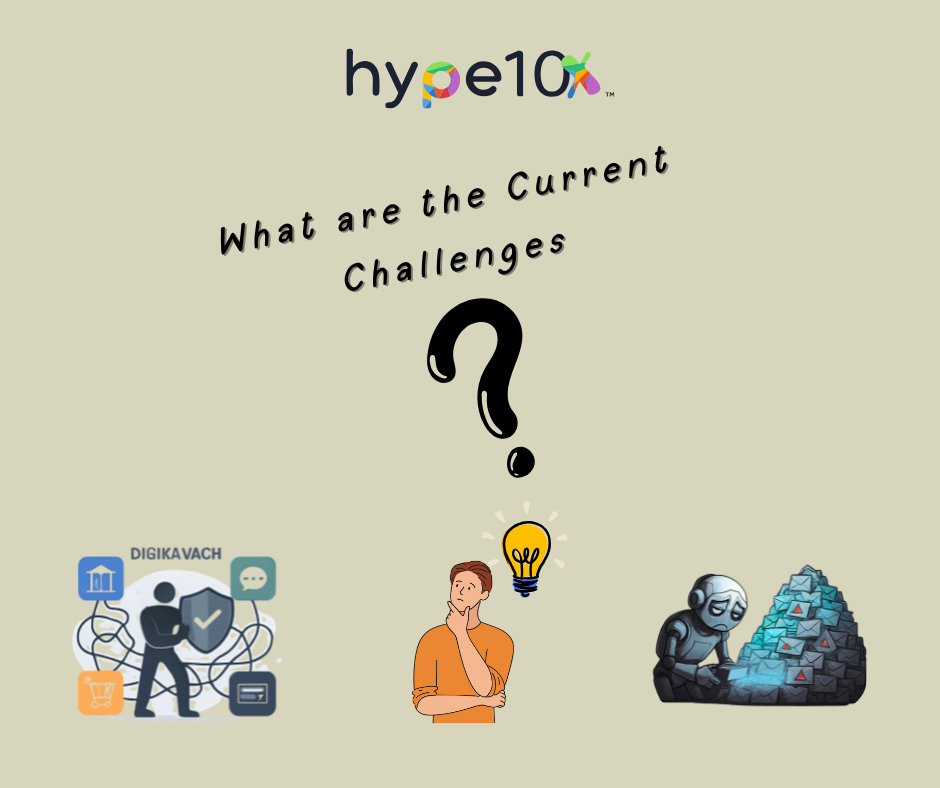
Digikavach is a major step forward, but it’s not a complete solution yet.
A few challenges remain:
False Positives: Sometimes, legitimate apps or ads get flagged as suspicious. This can confuse users and hurt genuine businesses. There needs to be a clear appeal or review process for such cases.
Language and Reach Barriers: Many users in rural India struggle with English-language warnings. Awareness campaigns need to expand to more regional languages and formats.
Scammers Keep Evolving: Fraudsters are using advanced AI tools to create deepfakes, clone voices, and produce realistic fake documents. Digikavach will need continuous upgrades to keep up.
Transparency and Trust: Users often don’t know why something was blocked or flagged. More transparency dashboards showing how many scams were blocked and why would help build trust.
Why Digikavach Matters
The biggest impact of Digikavach is not just stopping individual scams, but building trust in India’s digital economy. If people feel their online payments, shopping, and banking are secure, they’ll be more willing to use digital services.
This trust is especially important for students, small businesses, and first-time internet users who are just starting their digital journey. A safe environment allows them to explore online opportunities without fear.
The Road Ahead
In the future, Digikavach is likely to get even more advanced. Some possibilities include:
-
- Real-time fraud prediction using more local data and AI models trained on Indian scam patterns
-
- More user control, like safety modes where people can choose strict protections
-
- Public transparency dashboards showing scam stats and blocked content
-
- Integration with new tech platforms, like voice assistants, IoT devices, and AR/VR tools
-
- Stronger cross-platform enforcement with telecom operators, fintech regulators, and government agencies
Conclusion
Digikavach is one of the strongest efforts yet to secure India’s digital ecosystem. It combines technology, policy, education, and industry partnerships to fight scams at every level.
But safety isn’t just Google’s job. As users, we also need to stay alert, trust the warnings, install apps carefully, and educate others. Digital safety is a shared responsibility.
India’s digital future can be bright — but only if we make it secure. Digikavach is an important step in that direction, turning the internet from a risky place into a space of confidence, opportunity, and trust.