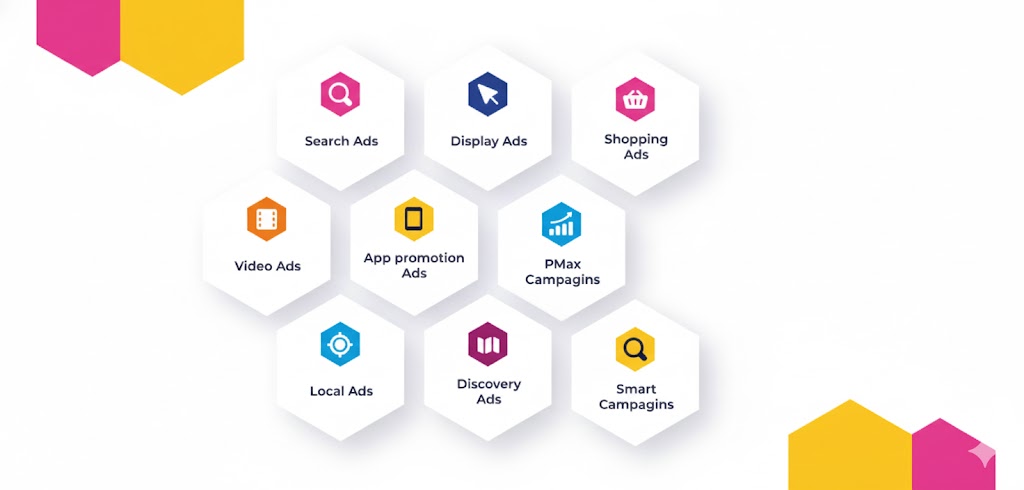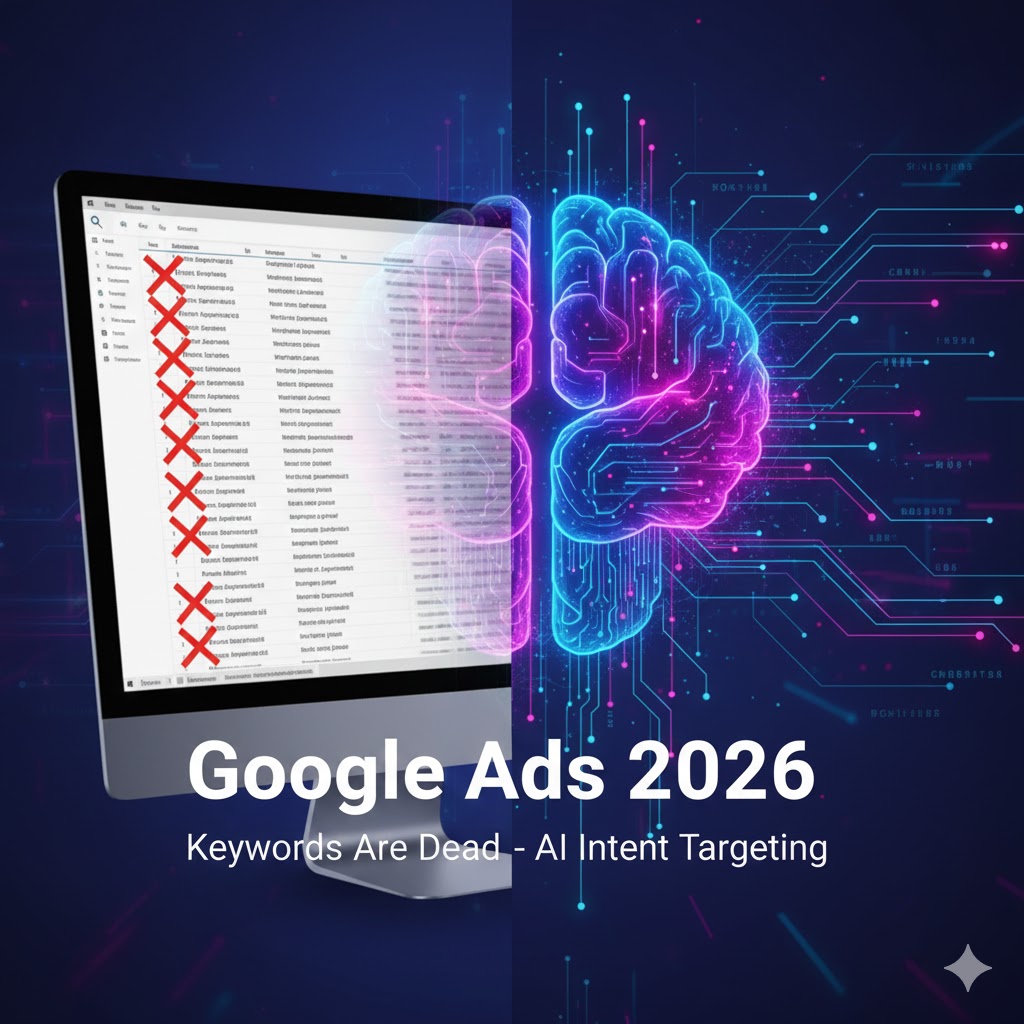
The landscape of Google advertising is evolving faster than ever. Google Ads trends 2026 reveal a future dominated by artificial intelligence, predictive targeting, and lightning-fast user decisions. For businesses looking to scale without burning through budgets, understanding these shifts isn’t optional—it’s essential.
Whether you’re managing campaigns in-house or partnering with experts, these trends will reshape how you attract, engage, and convert customers online.
Why Google Ads Trends 2026 Matter More Than Ever
This year marks a pivotal transformation in digital advertising. AI-powered automation is no longer experimental—it’s becoming the foundation of every successful campaign. The old playbook of manual bidding, broad targeting, and long conversion funnels is being replaced by systems that predict intent, personalize messaging, and close deals faster.
Companies across India, particularly those working with the best digital marketing agency in Gurgaon and other metro hubs, are already adapting to these changes. The question isn’t whether to adopt these trends, but how quickly you can implement them before your competitors do.
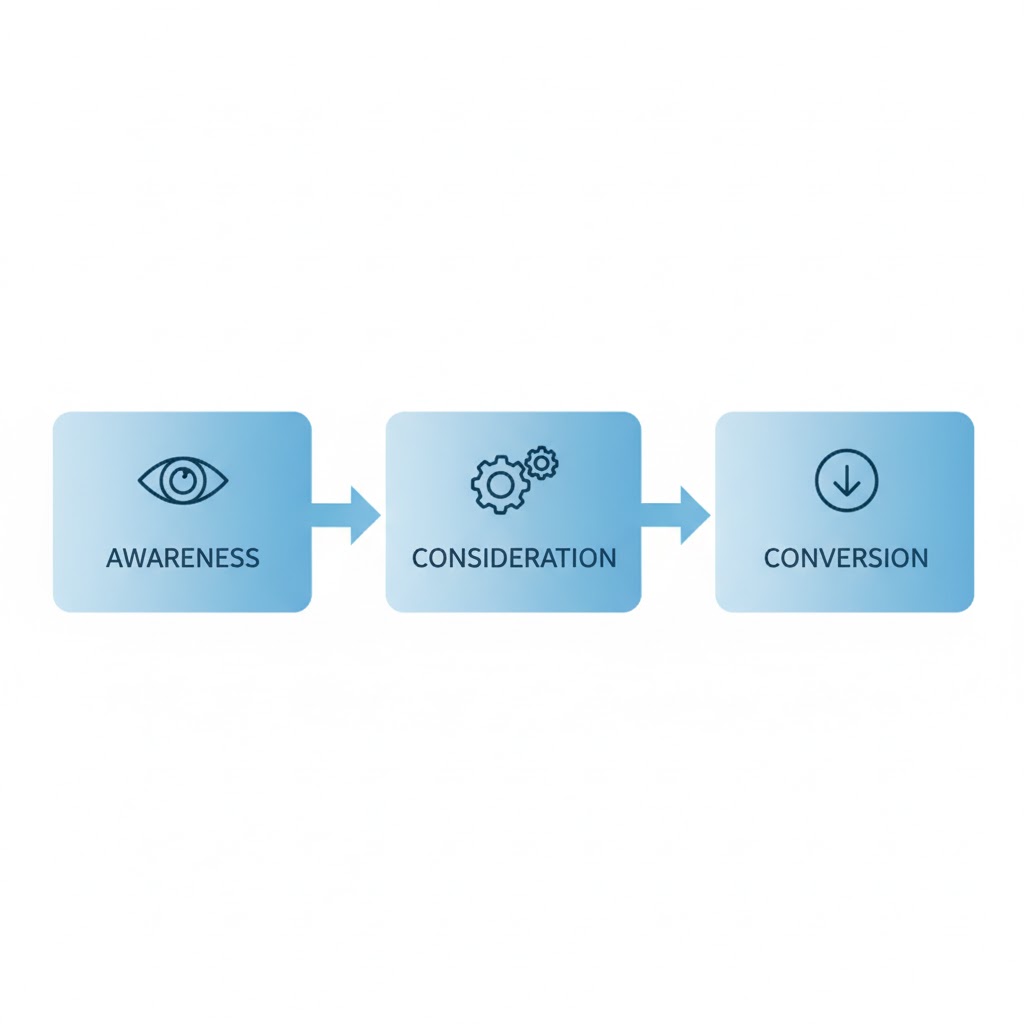
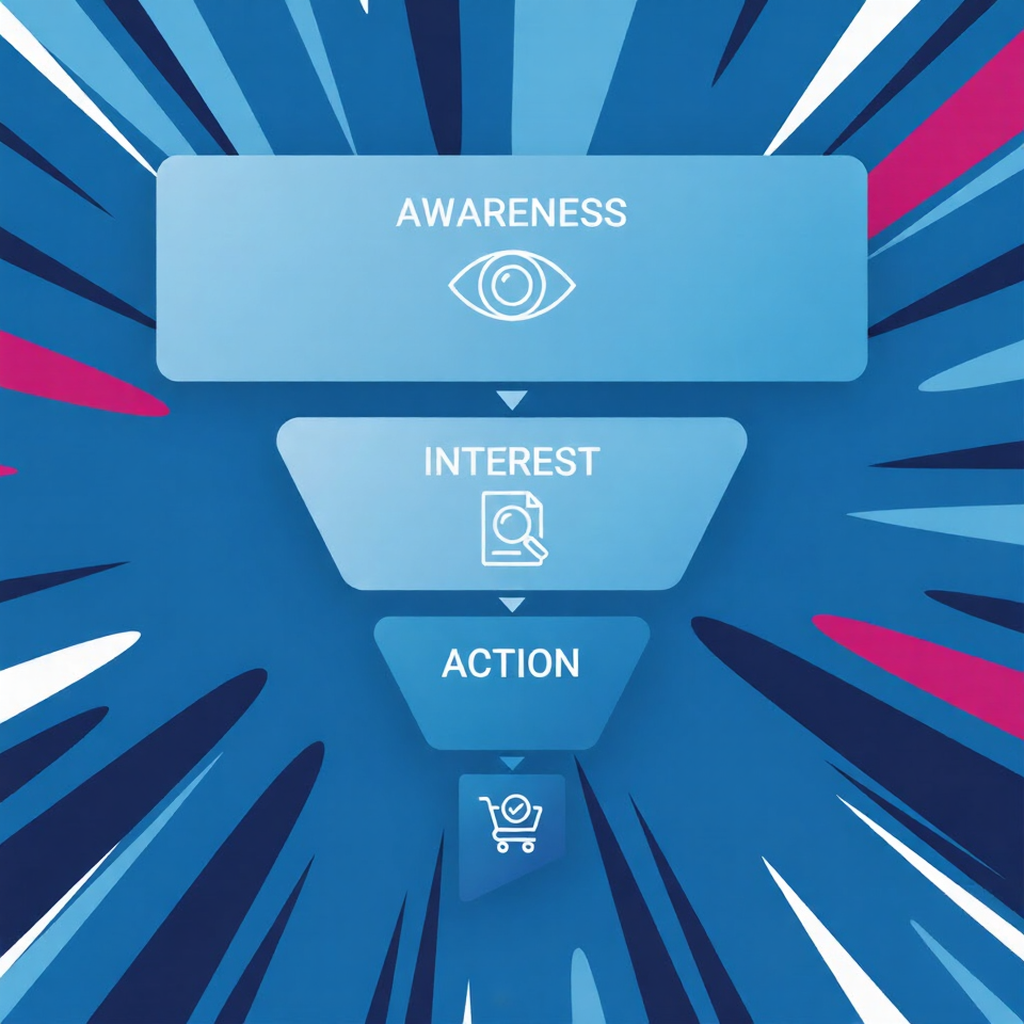
Understanding how customers move through awareness, consideration, and conversion stages has become critical. Each trend below directly impacts this journey, making campaigns more efficient and results more predictable. To dive deeper into customer journey mapping, check out our guide on The Future of Customer Engagement: Mastering Conversational Marketing.
Key Google Ads Trends 2026: What’s Changing and How to Adapt
1. Predictive Targeting Gets Sharper With AI
Google’s machine learning algorithms now anticipate user needs before they even type a search query. By analyzing browsing behavior, past purchases, and contextual signals, the platform serves ads to users at precisely the right moment.
This shift means fewer wasted clicks and higher conversion rates. Instead of casting a wide net, your campaigns now focus on users with genuine purchase intent. For businesses, this translates to better ROI with lower ad spend.
The key is ensuring your marketing funnel aligns with this predictive approach. When Google delivers high-intent traffic, your landing pages and messaging must be ready to convert immediately. Learn more about understanding Customer Buying Behavior for Better Marketing to optimize your funnel strategy.
2. AI-Generated Ads Become Standard, Not Optional
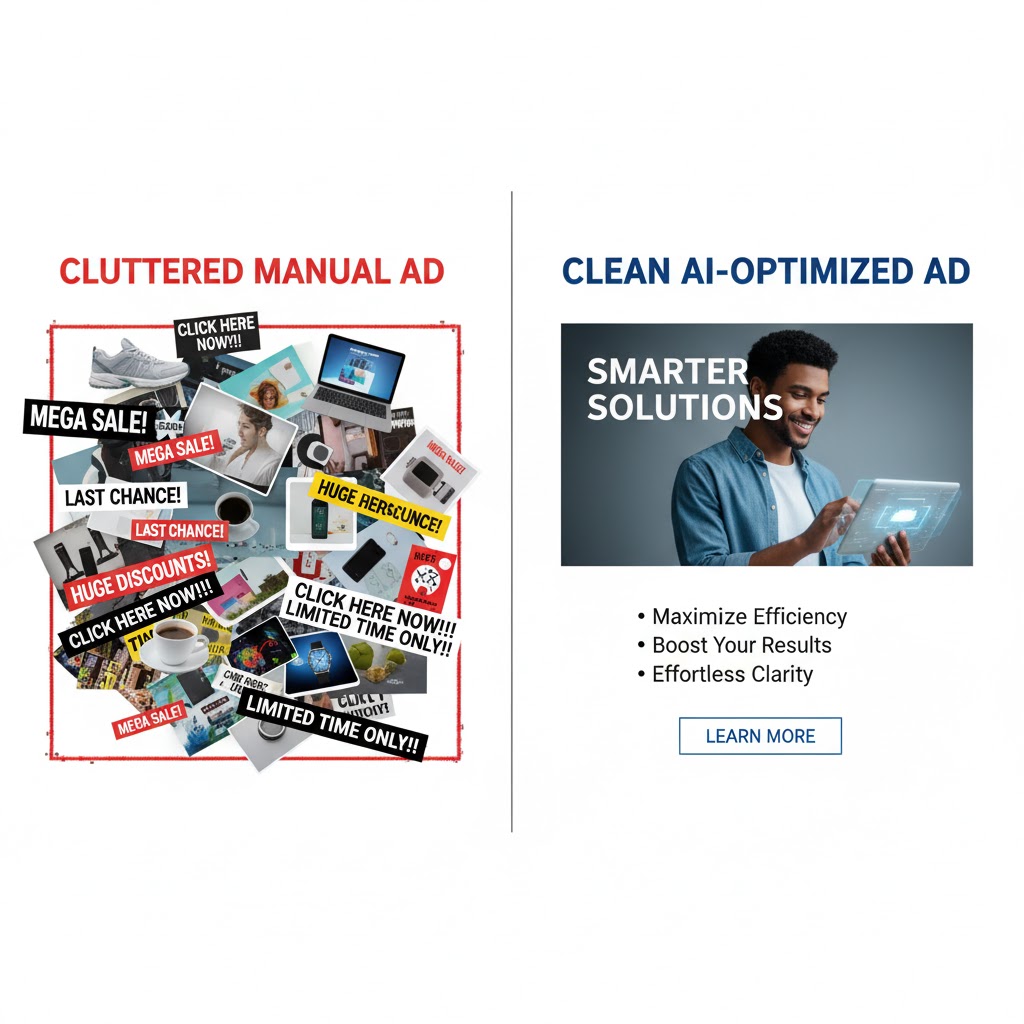
Manually writing and testing ad variations is becoming obsolete. Google’s AI now generates multiple ad copies, headlines, and descriptions based on your input—then automatically optimizes them based on performance data.
You provide the direction: your brand voice, key benefits, and target audience. Google handles the execution: testing combinations, identifying winners, and scaling what works.
This doesn’t eliminate the need for strong messaging—it amplifies it. Weak messaging gets amplified as poor performance, while clear, benefit-driven copy gets scaled across campaigns. Understanding How to Optimize Content for AI Search Engines: The 4-Step Framework becomes more important than ever for creating AI-friendly ad copy.
3. Conversion Journeys Are Shrinking Fast
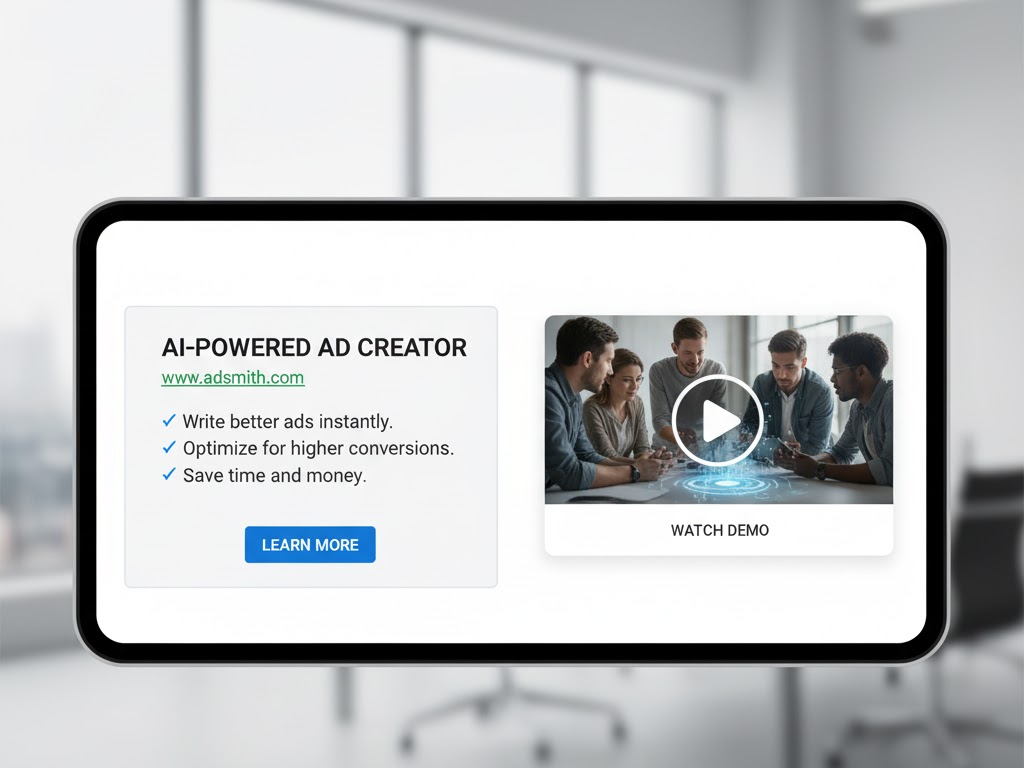
Users are making purchase decisions faster, especially on mobile devices. The days of nurturing leads through lengthy email sequences are fading. Today’s consumers research, compare, and buy—often within minutes.
This trend demands radically simplified landing pages. Every element that doesn’t directly support conversion becomes a distraction. Navigation bars, excessive text, and multiple CTAs slow down decision-making.
Your landing page structure should focus on three elements: a clear headline, immediate value proposition, and one prominent call-to-action. For practical tips on creating high-converting pages, explore Zero-Click SEO: How to Win on the New AI-Powered Google which covers optimization strategies that work in 2026.
4. Search and Video Ads Start Blending Seamlessly
Google is testing unified result pages where traditional text ads appear alongside product cards and short video previews. This mixed-media approach caters to different learning styles and decision-making processes.
Some users prefer reading specifications; others want to see products in action. By combining formats, Google increases the chances that your ad resonates with each user type.
For advertisers, this means video content is no longer optional for brand awareness alone—it’s becoming a direct response tool. Even a 15 second product demo can significantly boost click-through rates when paired with search ads.
Aligning your messaging across formats ensures consistency whether users engage with text or video first. Learn how to build cohesive brand messaging with our article on Boost Your Brand Visibility with Custom Brand Positioning Strategies.
5. Automated Bidding Takes Full Control
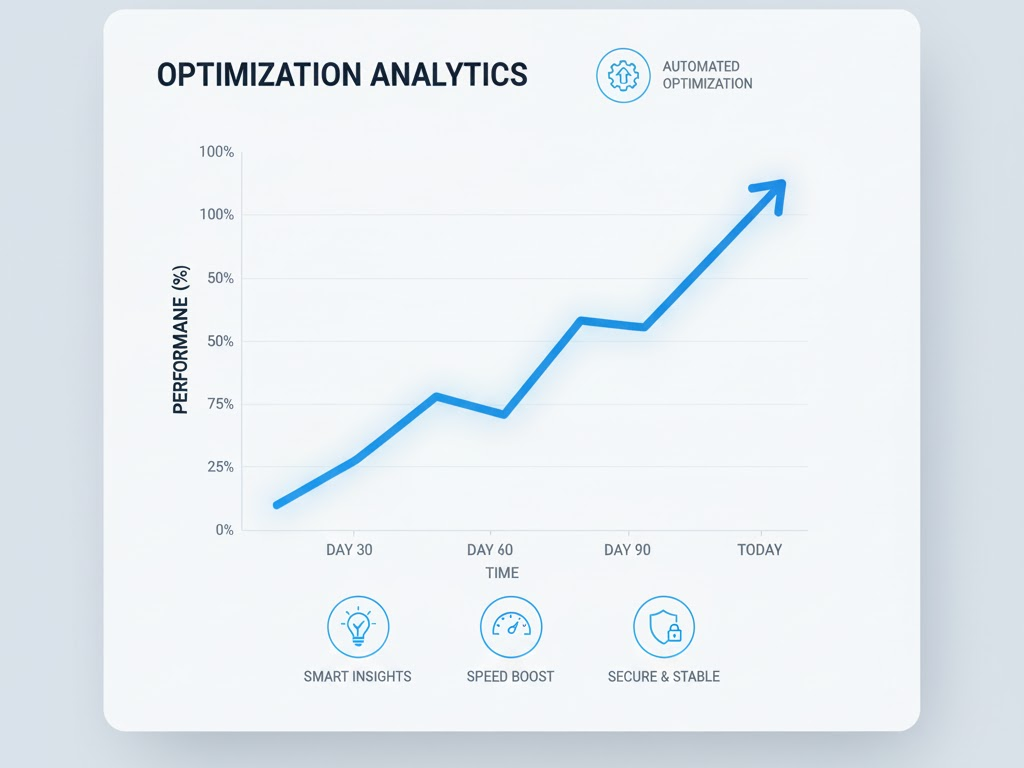
Smart Bidding strategies now dominate cost-per-click (CPC), cost-per-acquisition (CPA), and return on ad spend (ROAS) campaigns. Manual bid adjustments are becoming rare exceptions rather than standard practice.
The advantage is clear: Google’s AI processes millions of signals in real-time—device type, location, time of day, user behavior—and adjusts bids instantly to maximize your goals.
Your role shifts from managing bids to setting clear objectives and providing quality data. The better your conversion tracking and audience insights, the smarter the system becomes. Our comprehensive guide on Top 10 Google Ads Marketing Strategies for 2026 (That Actually Work) covers advanced bidding strategies in detail.
6. Privacy-Safe Targeting Becomes the New Standard
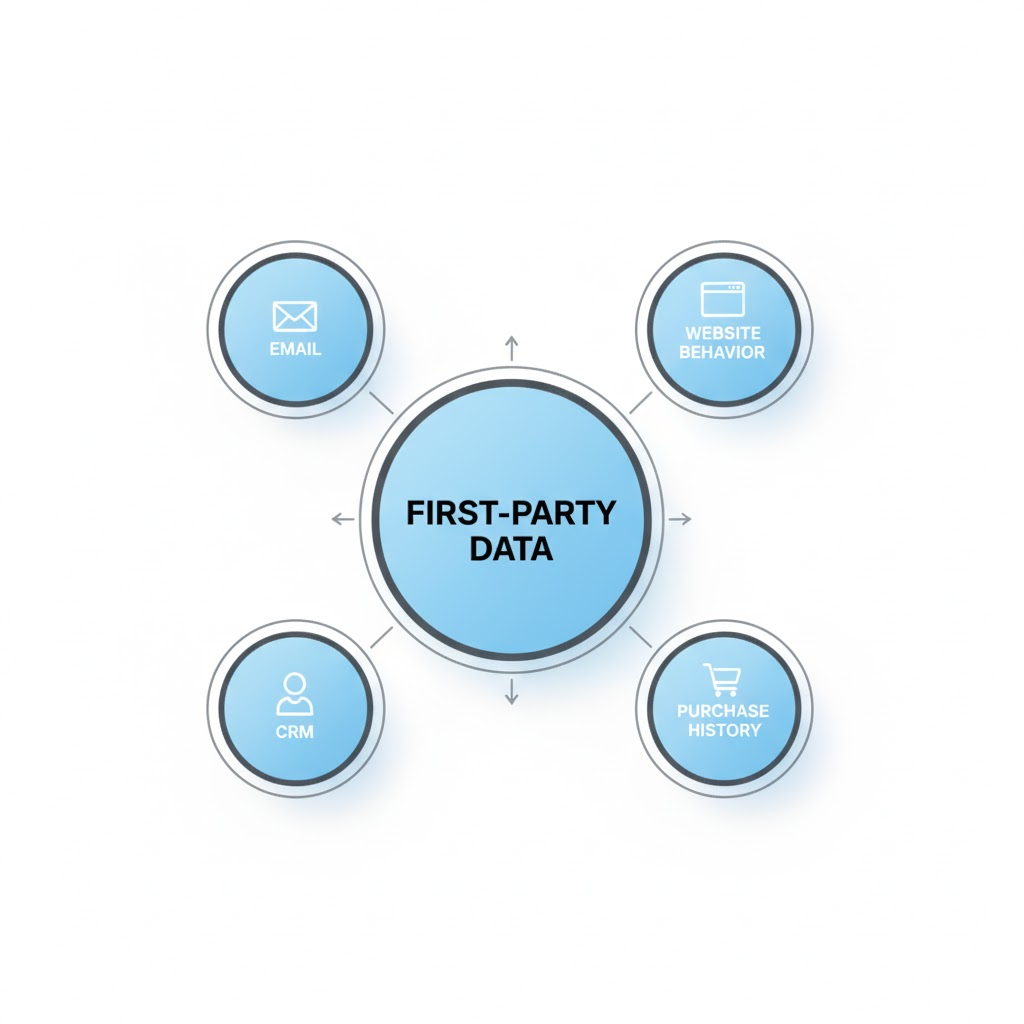
With third-party cookies eliminated, Google Ads now relies heavily on first-party data and predictive modeling. Instead of tracking users across the web, the platform builds intent signals from search behavior, YouTube engagement, and Google property interactions.
For businesses, this means building your own customer data becomes invaluable. Email lists, website behavior tracking (via Google Analytics 4), and CRM integrations feed the system with insights that third-party cookies once provided.
The shift also rewards brands that create direct relationships with customers rather than relying solely on retargeting strangers across the internet. Understanding How to Build Customer Trust in the Age of AI and Automation helps you develop these valuable first-party relationships.
7. Shopping Ads Highlight Trust and Transparency
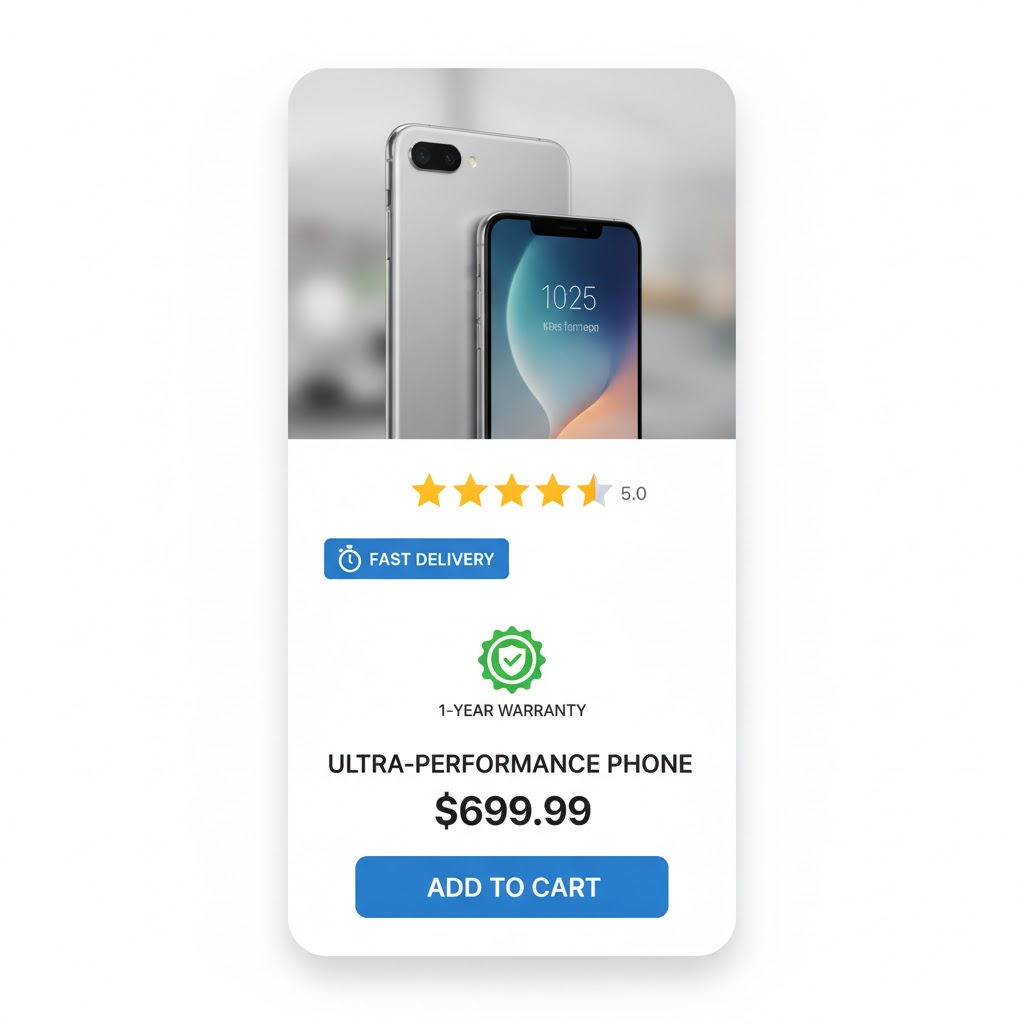
Google Shopping ads now prominently display delivery times, sustainability certifications, seller ratings, and trust badges directly within product cards. These signals significantly impact click-through and conversion rates.
Consumers want reassurance before clicking. Showing that you offer fast shipping, positive reviews, or eco-friendly practices reduces purchase anxiety and increases qualified traffic.
For e-commerce brands, optimizing your product feed with these trust signals is no longer optional—it’s a competitive requirement. Incomplete product data means lower visibility and fewer conversions. Check out Best AI Tools for E-Commerce in 2026 to discover tools that streamline product feed optimization.
8. YouTube Transforms Into a Direct Performance Channel
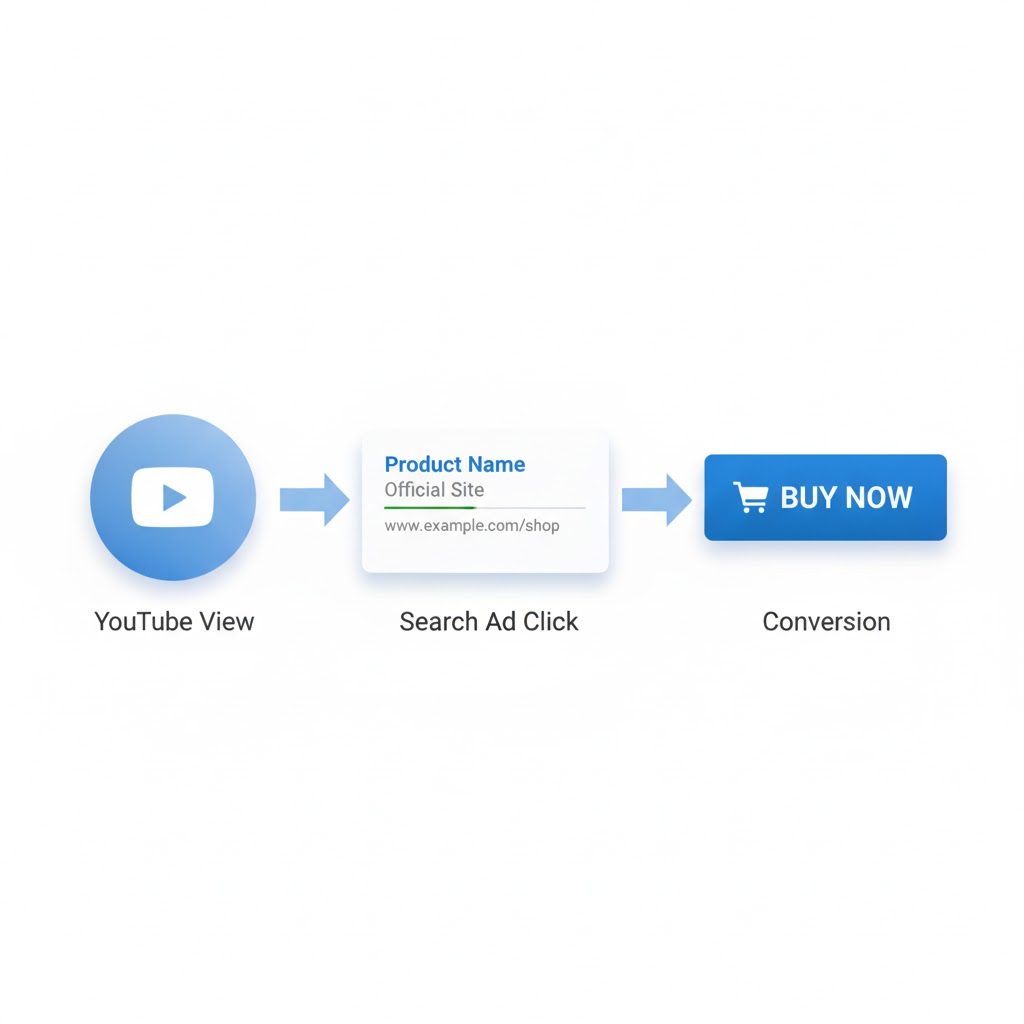
YouTube is no longer just for brand awareness. Short-form videos (under 60 seconds) are now driving measurable conversions, especially when combined with Search Ads.
Users who watch a product video on YouTube and later search for related terms see highly targeted ads that reference what they viewed. This creates a seamless journey from discovery to purchase.
The key is creating videos that educate quickly and include clear next steps. Product demos, quick tutorials, and customer testimonials work exceptionally well in this format.
9. Voice Search Ads Gain Momentum Again
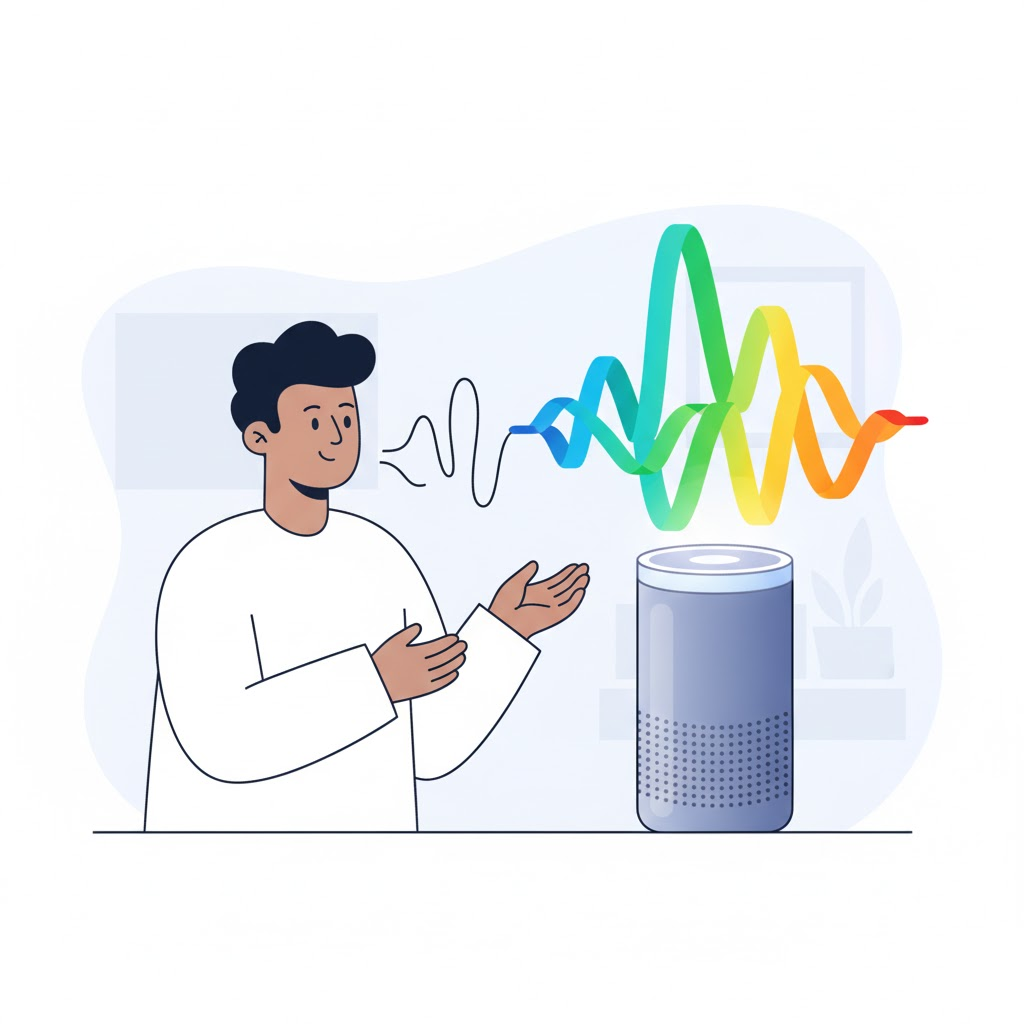
Voice queries are becoming more sophisticated and intent-driven. When someone asks, “Where can I buy organic coffee beans near me with same-day delivery?” the query length increases but the intent becomes crystal clear.
This specificity makes voice searches highly valuable for advertisers. There’s less ambiguity about what the user wants, which means higher conversion rates when ads match that intent precisely.
Optimizing for voice search means focusing on conversational, long-tail keywords that match natural speech patterns. Our detailed guide on Voice Search SEO: The 2025 Guide to Gaining Your Competitive Advantage covers voice optimization strategies that work with Google Ads campaigns.
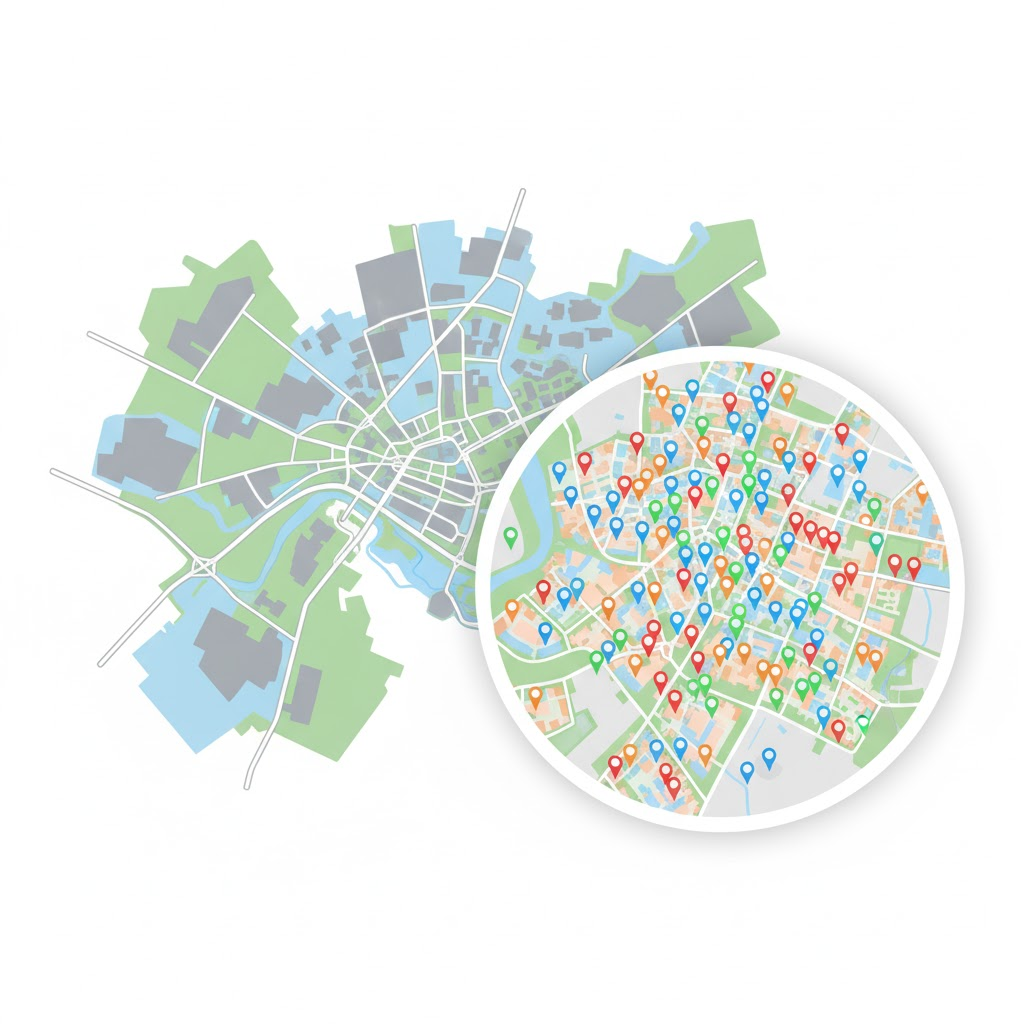
10. Hyperlocal Targeting Reaches New Precision Levels
Hyperlocal advertising now targets micro-areas within cities with remarkable accuracy. In metro areas like Gurgaon, Delhi, or Mumbai, brands can run campaigns specific to neighborhoods or even individual commercial complexes.
This precision is especially valuable for restaurants, retail stores, service providers, and local businesses. Instead of advertising to an entire city, you reach only the people within a 1-2 kilometer radius who are most likely to visit.
Combined with real-time signals like weather, local events, or traffic patterns, hyperlocal ads can trigger at exactly the right moment—when someone is nearby and ready to act. For businesses targeting local markets, our guide on Digital Marketing for Life Coach: Proven Strategies offers insights on hyper-targeted local campaigns.
How to Implement These Google Ads Trends in 2026
Implementation doesn’t require overhauling everything overnight. Start by auditing your current campaigns against these trends:
- Switch to automated bidding if you’re still managing bids manually
- Enable Responsive Search Ads to leverage AI-generated copy
- Simplify landing pages by removing unnecessary elements
- Start collecting first-party data through email signups and account creation
- Test short video ads on YouTube paired with Search campaigns
- Optimize product feeds with trust signals for Shopping ads
- Add conversational long-tail keywords for voice search readiness
- Experiment with hyperlocal targeting if you serve specific geographic areas
Why Partnering With Experts Accelerates Results
While understanding these trends helps you make informed decisions, implementing them at scale requires specialized expertise. The best digital marketing agency in Gurgaon and similar metros stay ahead by testing new features early, analyzing performance data deeply, and adjusting strategies based on real-time results.
Whether you choose to manage campaigns internally or work with experienced professionals, the core principle remains: adapt quickly or fall behind. Google Ads in 2026 rewards businesses that embrace automation, trust AI-driven insights, and continuously optimize based on performance data.
For businesses in specialized industries, check out our industry-specific guides like Mastering Google Ads for Real Estate in 2026 for tailored strategies. Each change compounds. As Google’s AI gathers more data from your optimized campaigns, performance improves continuously without additional manual effort.
Conclusion: Stay Ahead in the AI-Driven Advertising Era
Google Ads trends 2026 point toward one clear direction: campaigns will become faster, smarter, and more automated. Manual optimization is giving way to AI-driven systems that predict intent, personalize messaging, and close conversions in record time.
The businesses that thrive will be those that combine these technological advances with strong fundamentals—clear messaging, simplified user experiences, and data-driven decision-making.
Start implementing these trends now. Test automated bidding, simplify your landing pages, create short video content, and build your first-party data foundation. Each step positions you ahead of competitors still relying on outdated strategies.
The future of Google advertising is already here. The only question is how quickly you’ll adapt to it. For ongoing insights and updates, bookmark our What is Search Engine Optimization? resource and stay ahead of algorithm changes.
Ready to scale your Google Ads campaigns with 2026’s latest strategies? Contact us to discover how our team implements these trends to drive measurable growth for businesses across India.