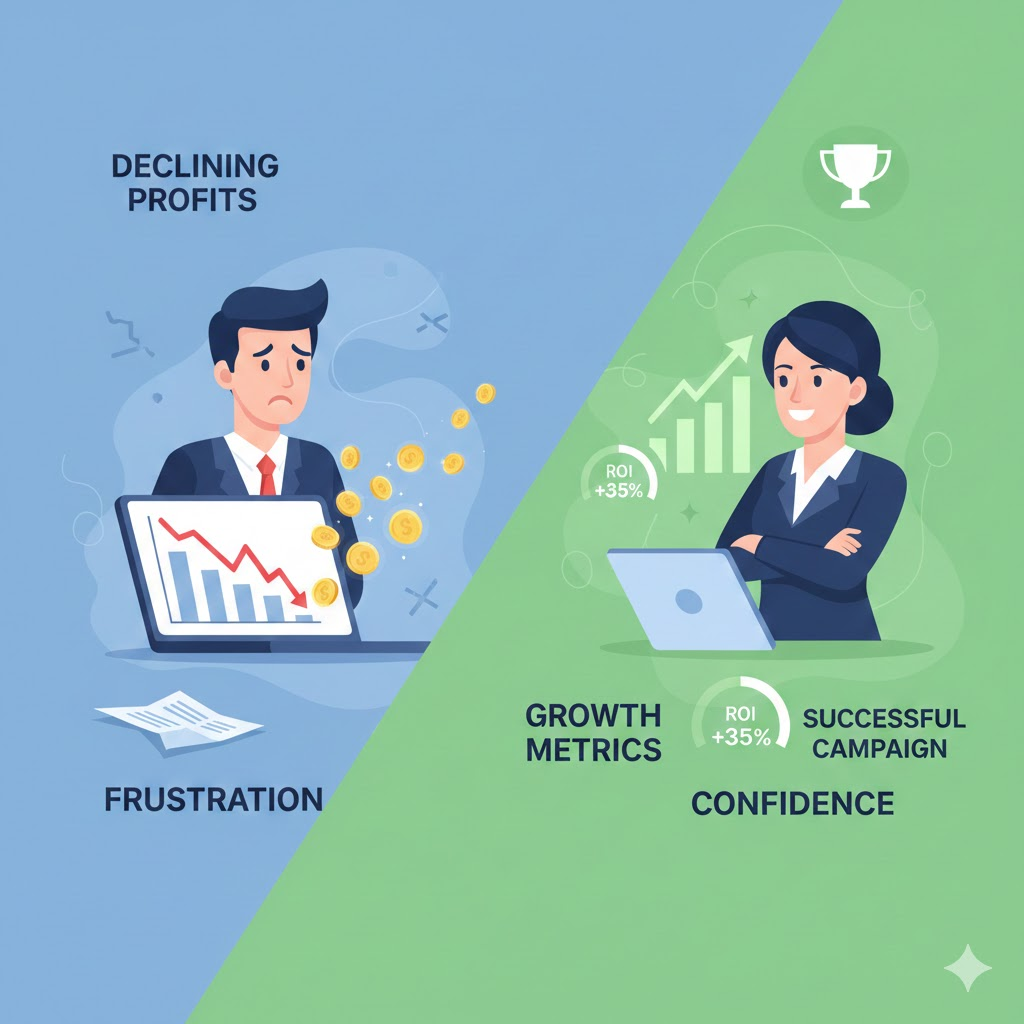
Every week, I hear the same complaint from business owners: “We tried paid ads, but they’re just too expensive.” But here’s the uncomfortable truth—Paid ads aren’t expensive. Bad strategy is.
When executed correctly, a well-planned paid advertising strategy can be one of the most cost-effective ways to scale your business. The problem isn’t the platform charging you money. The problem is throwing money at platforms without understanding why paid ads fail for most businesses.
Let’s break down exactly what separates successful campaigns from money pits, and how you can transform your approach to digital marketing paid ads.
Why Most Paid Ads Don’t Work (And It’s Not What You Think)
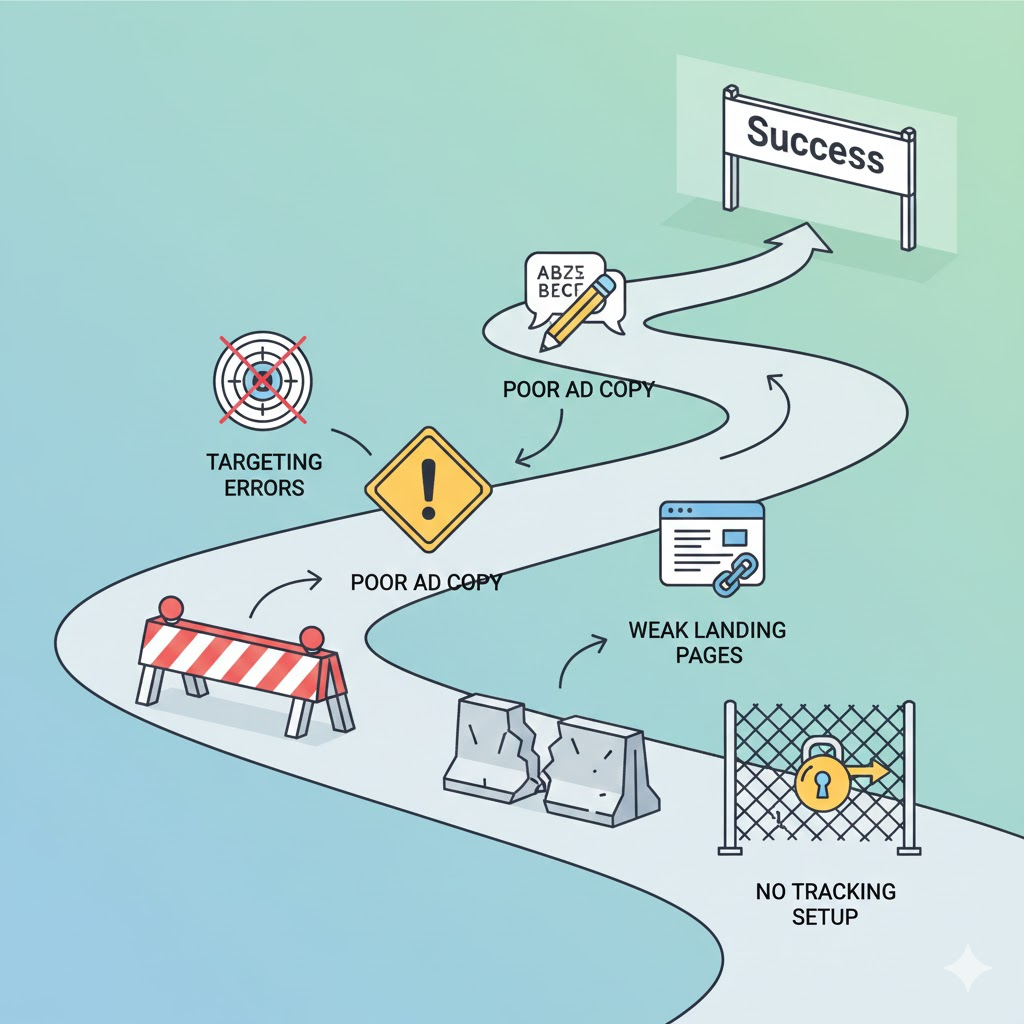
Before we dive into solutions, let’s address the elephant in the room. According to recent industry data, nearly 60% of small businesses report that their paid ads are not working as expected. But this isn’t a platform problem—it’s a strategy problem.
The most common reasons paid ads fail include:
Weak offer presentation: Your product might be excellent, but if your ad copy, creative, and landing page don’t communicate value clearly, you’re fighting an uphill battle.
Targeting everyone instead of someone: When you try to reach everybody, you connect with nobody. Broad targeting might feel safe, but it’s the fastest way to burn through your budget without meaningful results.
Ignoring the customer journey: Not everyone who sees your ad is ready to buy immediately. A bad ad strategy assumes all traffic is equal, while a smart paid ads strategy accounts for awareness, consideration, and decision stages.
Treating platforms as set-it-and-forget-it tools: Successful campaigns require constant monitoring and adjustment. The businesses asking “Why my Google ads are not converting” are often the same ones who haven’t logged into their account in weeks.
The Real Cost of Bad Ad Strategy
Here’s what actually makes advertising expensive:
Wasted spend on poorly executed campaigns.
Imagine spending $5,000 monthly on Google Ads with a bad ad strategy. You might generate 50 leads, but if only 2 convert into customers, your cost per acquisition becomes unsustainable. Now imagine the same budget with a refined strategy generating 150 qualified leads and 15 conversions. Same budget, completely different outcome.
This is why understanding performance marketing strategy is non-negotiable in 2026. The difference between profit and loss often comes down to campaign structure, not budget size.
Building a Profitable Paid Advertising Strategy: The Framework That Works
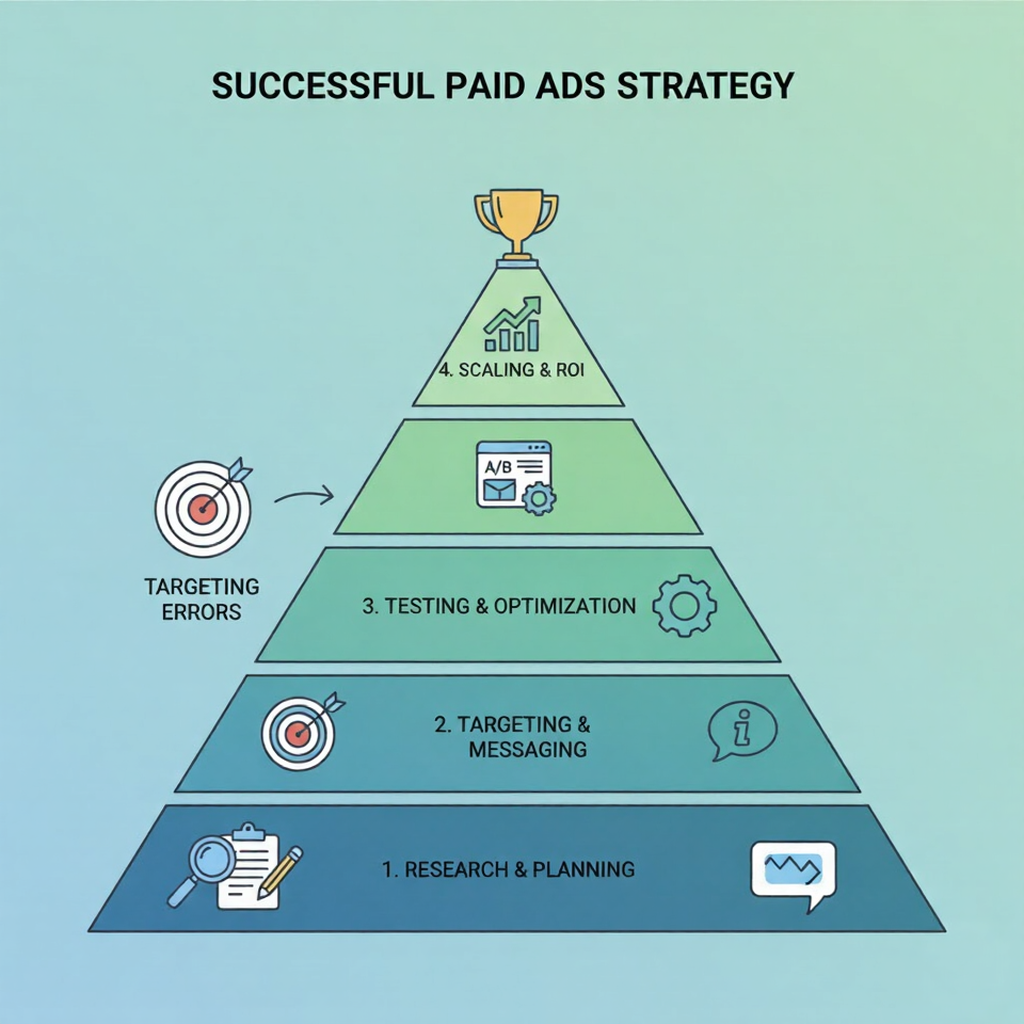
1. Start With Research, Not Assumptions
Most paid advertising mistakes businesses make begin before the first ad goes live. Successful campaigns are built on data, not hunches.
Before launching any campaign, answer these questions:
-
- Who is your ideal customer, and where do they spend time online?
-
- What specific problems are they trying to solve?
-
- What language do they use when searching for solutions?
-
- What objections do they have about your product or service?
Understanding your audience transforms your Google ads strategy and Facebook(Meta) ads strategy from generic to laser-focused. This foundational work is what separates a paid ads management agency that delivers results from one that just burns your budget.
2. Match Message to Market Awareness
One of the biggest reasons why paid ads don’t work for small businesses is mismatched messaging. You can’t use the same ad copy for someone who’s never heard of you versus someone who abandoned their cart on your website.
Your ad campaign optimization should include different campaigns for different stages:
Test Everything, Assume Nothing
The difference between good and great paid ads ROI lies in systematic testing. This doesn’t mean randomly changing things and hoping for improvement. It means structured experimentation.
Test one variable at a time:
-
- Ad copy variations
-
- Image or video creative
-
- Headlines and hooks
-
- Call-to-action buttons
-
- Landing page layouts
-
- Audience segments
Google Ads management services focus heavily on continuous testing because what worked last month might not work this month. Markets evolve, competition changes, and consumer behavior shifts.
4. Fix Your Funnel Before Scaling
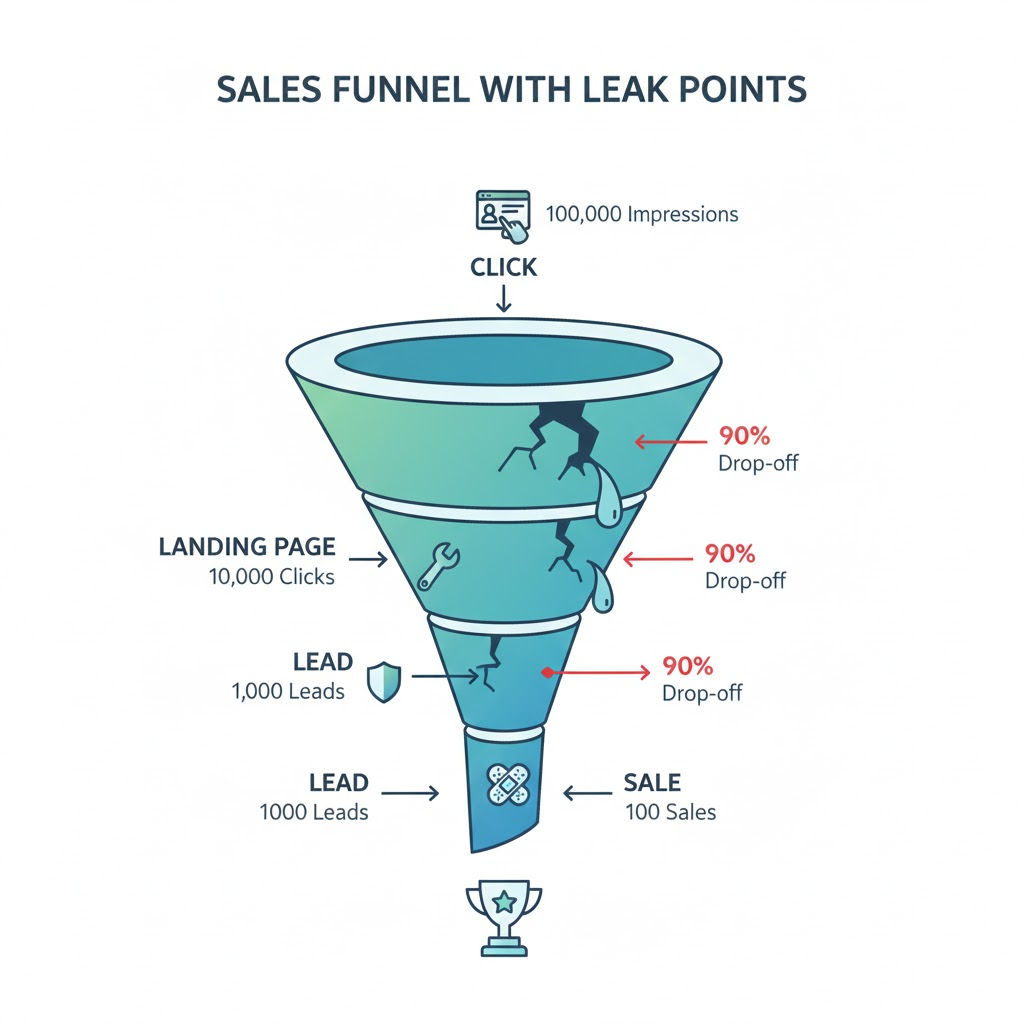
This is critical: if you’re wondering why paid ads fail, look at your entire conversion path, not just the ad itself.
A compelling ad driving traffic to a confusing landing page is like filling a leaky bucket. You’re paying for every click, but losing potential customers at every step. Understanding What is a sales funnel and optimizing each stage is essential for improving performance.
Before increasing budget, ensure:
Mobile experience is optimized (over 60% of traffic is mobile)
-
- Your landing pages load quickly (under 3 seconds)
-
- The message on your ad matches the landing page headline
-
- The conversion process is simple and intuitive
-
- You’re tracking every step of the customer journey
Platform-Specific Strategy: Google vs Facebook vs Meta
Each platform requires a tailored approach. Here’s where many businesses waste money—they use the same strategy across all platforms.
Google Ads Strategy: Intent-based. People are actively searching for solutions. Your job is to appear at the right moment with the right answer. Focus on keyword targeting, search intent, and conversion-optimized landing pages. If you’re struggling with keywords in Google Ads, understanding the platform’s evolving targeting model is crucial.
Facebook Ads Strategy: Interrupt-based. People aren’t searching for you, They’re scrolling through their feed. Your creative needs to stop the scroll, and your copy must create desire quickly. Working with Facebook advertising agencies can help refine this approach.
Meta Ads for Business: Leverage detailed targeting options, lookalike audiences, and retargeting. The platform’s strength lies in its ability to find people similar to your best customers.
How to Fix Paid Ads Performance: The 30-Day Audit
If your current campaigns aren’t delivering, here’s a systematic approach to turn things around:
Week 1 – Data Audit: Review what’s actually happening. Check click-through rates, conversion rates, cost per conversion, and quality scores. Identify which campaigns, ad groups, or individual ads are underperforming.
Week 2 – Audience Refinement: Narrow your targeting. Remove audiences with poor performance. Create specific campaigns for your best-performing segments. Many businesses asking “is paid advertising worth it” are targeting too broadly.
Week 3 – Message Optimization: Rewrite ad copy based on customer feedback and actual language your audience uses. Test new creative formats. Align your landing pages with ad messaging.
Week 4 – Tracking & Scaling: Ensure proper conversion tracking is set up. Once you’ve identified winning combinations, gradually increase budget on top performers while pausing poor performers.
This is essentially a paid ads audit that any performance marketing agency would conduct, but you can start these steps yourself.
When DIY Becomes Expensive
There’s a point where managing paid ads in-house costs more than it saves—not just in money, but in opportunity cost and expertise gaps.
Consider professional paid ads optimization services if you’re experiencing:
-
- Need for advanced strategies like multi-channel attribution or sophisticated retargeting
-
- Monthly ad spend over $5,000 with inconsistent results
-
- Lack of time to properly manage and optimize campaigns
-
- Difficulty tracking ROI and attributing conversions correctly
Working with a digital marketing agency for paid ads or performance marketing agency provides access to expertise across platforms, tools, and testing frameworks that would take years to develop internally.
As a best digital marketing agency in Gurgaon, we’ve helped dozens of businesses transform their advertising from cost centers to profit engines—not by spending more, but by strategizing better.
The Bottom Line: Strategy First, Budget Second
The question isn’t whether paid advertising strategy works. The question is whether YOUR strategy works.
Small businesses succeed with $500 monthly budgets when they have a clear paid ads strategy for small business that includes proper targeting, compelling messaging, and optimized conversion paths. Large enterprises waste millions with poor planning and execution.
Before you conclude that paid ads are too expensive, ask yourself these questions:
-
- Do I truly understand my target audience and their buying journey?
-
- Is my offer clearly communicated and compelling?
-
- Are my landing pages optimized for conversion?
-
- Am I tracking the right metrics and making data-driven decisions?
-
- Have I given campaigns enough time and testing to optimize?
If you can’t confidently answer “yes” to all these questions, your issue isn’t the cost of advertising—it’s the cost of a bad strategy.
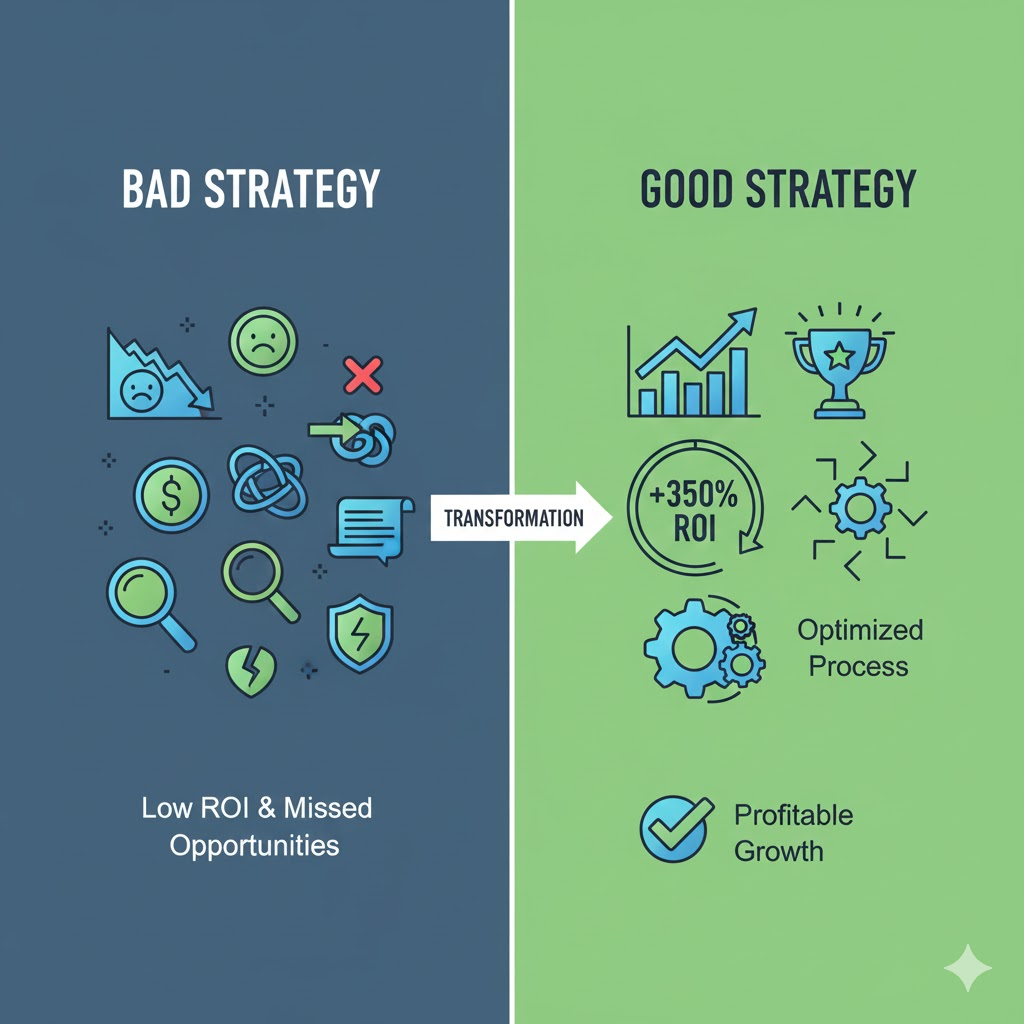
The businesses thriving with paid ads in 2026 aren’t necessarily those with the biggest budgets. They’re the ones with the clearest strategies, the most disciplined testing, and the patience to optimize before scaling.
Your competitors aren’t succeeding because they’re spending more. They’re succeeding because they’re spending smarter. The choice is yours: keep blaming the platforms, or fix your strategy and transform your results.
Because at the end of the day, paid ads are never expensive when they’re generating profit. Only bad strategy costs you money.