
The publishing landscape has transformed dramatically, and digital marketing has become the cornerstone of success for publishers navigating the complexities of 2026. Whether you’re running a digital magazine, news outlet, or content platform, understanding and implementing effective digital marketing strategies is no longer optional—it’s essential for survival and growth.

The Evolution of Digital Marketing for Publishers
Digital marketing has evolved far beyond simple social media posts and email newsletters. Today’s publishers face a sophisticated ecosystem where artificial intelligence, personalization, and multi-channel strategies intersect to create meaningful connections with audiences. The publishers thriving in 2026 are those who’ve embraced this complexity and turned it into opportunity. Different industries require tailored approaches—whether you’re exploring digital marketing strategies for education platforms, developing campaigns for life coaching businesses, or optimizing Google Ads for real estate publications, the fundamental principles of audience understanding and value delivery remain constant.
The traditional metrics of success have shifted. While page views still matter, engagement depth, subscriber retention, and community building have become the true indicators of digital marketing effectiveness. Publishers who understand this fundamental shift are positioning themselves for long-term success.
AI-Powered Content Strategy: The New Foundation
Artificial intelligence has revolutionized how publishers approach digital marketing and content creation. However, the key isn’t replacing human creativity—it’s augmenting it. Smart publishers are using AI tools to analyze audience behavior patterns, predict trending topics, and optimize content distribution timing.
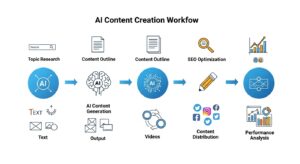
Your digital marketing strategy should incorporate AI for content personalization. Machine learning algorithms can now analyze individual reader preferences and serve customized content recommendations, increasing engagement rates by up to 40%. Tools like predictive analytics help publishers understand what content will resonate before it’s even published.
Content optimization has become more sophisticated. AI-powered SEO tools analyze search intent, competition, and semantic relationships to help publishers create content that ranks higher and satisfies user needs more effectively. This isn’t about keyword stuffing—it’s about understanding the true intent behind searches and delivering genuine value.
Audience-First Digital Marketing Approach
The most successful digital marketing strategies in 2026 put the audience at the center of every decision. This means moving beyond demographic data to understand psychographic profiles, behavior patterns, and individual preferences.
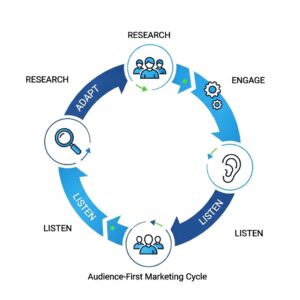
Building detailed audience personas has become more data-driven and dynamic. Publishers now create living personas that update in real-time based on engagement data, consumption patterns, and feedback loops. These personas inform everything from content topics to distribution channels to monetization strategies.
Community building has emerged as a critical component of digital marketing for publishers. Creating spaces where readers can interact, discuss content, and connect with each other transforms passive audiences into active communities. This could include comment sections with robust moderation, dedicated Discord servers, live Q&A sessions, or exclusive member forums.
Multi-Channel Distribution Mastery
Gone are the days when publishers could rely on a single distribution channel. Effective digital marketing in 2026 requires a sophisticated multi-channel approach that meets audiences wherever they consume content.
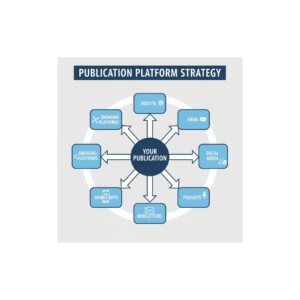
Each platform requires tailored content and messaging. What works on LinkedIn differs dramatically from Instagram or TikTok. Publishers excelling at digital marketing understand these nuances and adapt their content accordingly while maintaining brand consistency.
Email marketing remains surprisingly powerful, but the strategies have evolved. Segmentation is now hyper-personalized, with publishers sending different content to different subscriber groups based on reading history, engagement levels, and stated preferences. Interactive emails with embedded videos, polls, and dynamic content are driving engagement rates that surpass traditional newsletters.
Social media strategy has matured beyond simply posting links. Publishers are creating native content for each platform, engaging in conversations, leveraging trending formats, and building genuine relationships with followers. Short-form video content continues to dominate, making platforms like TikTok, Instagram Reels, and YouTube Shorts essential components of any digital marketing strategy. Effective social media management requires both strategic planning and real-time responsiveness to maintain audience engagement and brand consistency across all platforms.
SEO in 2026: Beyond Keywords
Search engine optimization has evolved into a holistic practice that encompasses technical excellence, content quality, user experience, and authority building. Digital marketing strategies must integrate SEO at every level, not treat it as an afterthought.
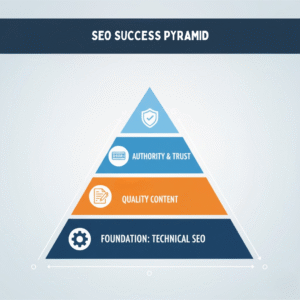
Core Web Vitals and user experience signals now play a massive role in rankings. Publishers must ensure their sites load quickly, respond smoothly on mobile devices, and provide intuitive navigation. A technically flawed site undermines even the best content and digital marketing efforts.
Topical authority has become crucial. Rather than creating scattered content across dozens of unrelated topics, successful publishers establish deep expertise in specific niches. This involves creating comprehensive content clusters, internal linking strategies, and demonstrating expertise through quality and depth.
Voice search optimization continues to grow in importance. Publishers are adapting their digital marketing content strategies to answer conversational queries and appear in featured snippets, which serve as the primary source for voice assistants.
Monetization and Digital Marketing Alignment
The best digital marketing strategies for publishers don’t just build audiences—they build sustainable revenue streams. In 2026, successful publishers have diversified their monetization approaches while ensuring marketing efforts support each revenue channel.
Subscription models require specific digital marketing approaches. Publishers are using content gates strategically, offering freemium models, creating exclusive member benefits, and building retention campaigns that reduce churn. The key is demonstrating value before asking for payment and continuing to deliver value that justifies ongoing subscriptions.
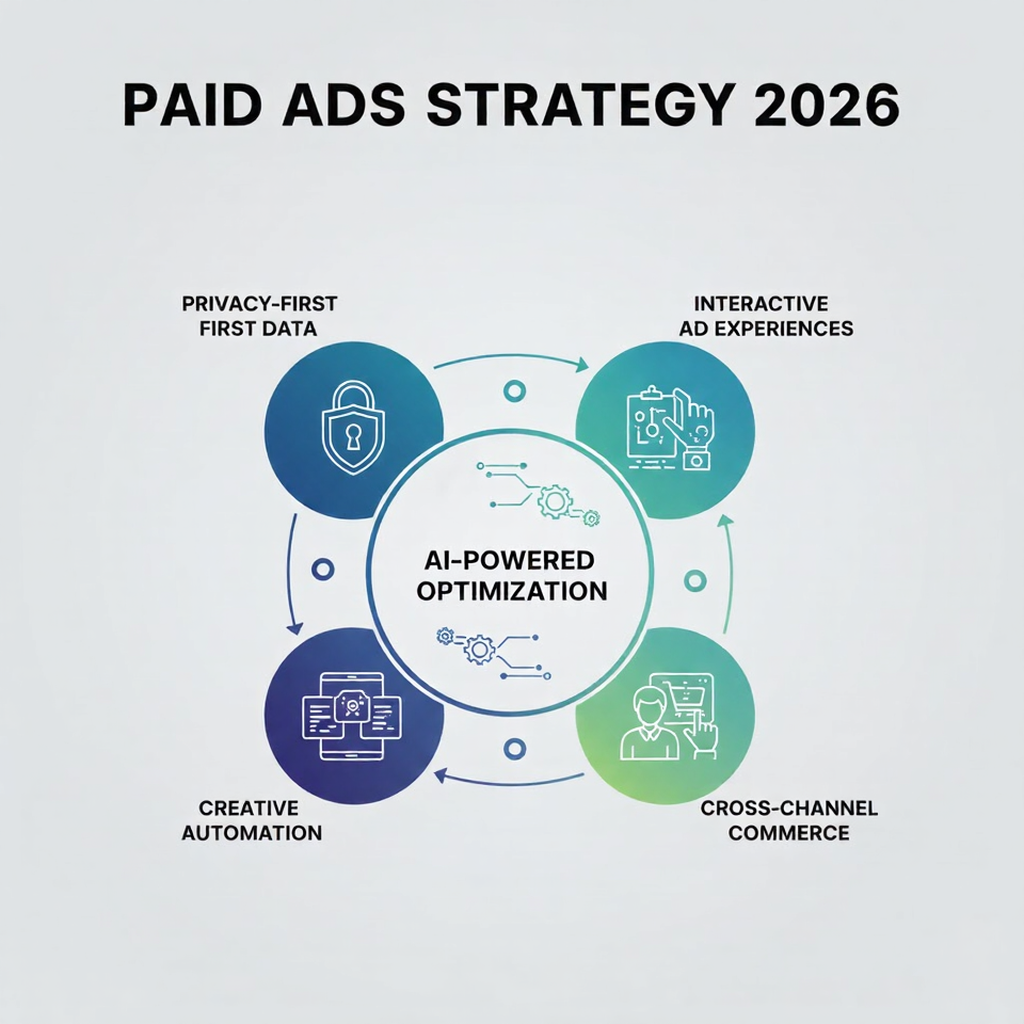
Programmatic advertising has become more sophisticated, but publishers maintaining control over their ad experiences are seeing better results. First-party data collection through digital marketing efforts enables better ad targeting without relying on third-party cookies, which continue to phase out. For publishers looking to maximize their paid advertising potential, mastering Google Ads has become essential for driving targeted traffic and growing subscriber bases.
Sponsored content and native advertising work best when they align with editorial standards and provide genuine value to readers. Transparency is critical—audiences in 2026 can spot inauthentic partnerships immediately, and trust once lost is difficult to rebuild.
Data-Driven Decision Making
Analytics have become the backbone of effective digital marketing for publishers. Every decision should be informed by data, from content topics to publication timing to promotion strategies.

Publishers are moving beyond vanity metrics like page views to focus on meaningful engagement indicators. Time on page, scroll depth, social shares, comment quality, return visitor rates, and conversion rates tell a more complete story about content performance and audience connection.
A/B testing has become standard practice for optimizing every element of digital marketing campaigns. Headlines, images, email subject lines, call-to-action buttons, and content formats are all tested systematically to improve performance continuously.
Attribution modeling helps publishers understand which digital marketing channels and touchpoints contribute most effectively to conversions, whether that’s newsletter signups, subscription purchases, or content engagement.
Video Content as a Digital Marketing Powerhouse
Video has cemented its position as the most engaging content format, and publishers ignoring this trend are missing significant opportunities. Digital marketing strategies in 2026 must incorporate video across multiple platforms and formats.
Short-form video continues to dominate social media, requiring publishers to distill complex stories into 30-60 second compelling narratives. These videos serve as entry points, driving traffic back to longer-form content on owned platforms.
Live streaming has matured into a powerful engagement tool. Publishers are hosting live interviews, breaking news coverage, Q&A sessions, and behind-the-scenes content that builds authentic connections with audiences.
Podcast integration with written content creates synergistic digital marketing opportunities. Repurposing podcast content into articles, social posts, and video clips extends reach while maintaining consistent messaging across channels.
Privacy-First Marketing in a Cookieless World
As privacy regulations tighten and third-party cookies disappear, publishers must adapt their digital marketing strategies to rely on first-party data and consent-based relationships.
Building direct relationships with audiences through email subscriptions, account creation, and preference centers provides valuable data while respecting privacy. The key is offering clear value in exchange for information and being transparent about data usage.
Contextual targeting has made a comeback as publishers leverage the context of their content for advertising rather than invasive behavioral tracking. This approach aligns well with privacy-conscious audiences while maintaining advertising effectiveness.
Zero-party data—information that customers intentionally share—is becoming the gold standard. Publishers are using surveys, quizzes, preference centers, and interactive content to gather insights directly from audiences in mutually beneficial ways.
Emerging Platforms and Technologies
While mastering existing channels is crucial, forward-thinking publishers are experimenting with emerging platforms and technologies as part of their digital marketing strategies.
Augmented and virtual reality offer immersive storytelling opportunities that early adopters are exploring. While not mainstream yet, these technologies represent significant potential for differentiation and engagement.
Blockchain technology is being explored for content authentication, micropayments, and establishing provenance for original journalism. Publishers combating misinformation are finding value in these verification technologies.
AI chatbots and conversational interfaces are transforming how audiences discover and consume content. Publishers are implementing smart assistants that can recommend articles, answer questions, and provide personalized content experiences. Advanced AI tools like Claude are being leveraged for content ideation, research assistance, and workflow optimization, helping publishers work more efficiently while maintaining creative control.
Building a Sustainable Digital Marketing Framework
The most effective digital marketing strategies for publishers in 2026 are sustainable, adaptable, and aligned with core mission and values. This requires balancing innovation with consistency, data with intuition, and automation with human touch.
Creating a content calendar that balances evergreen and trending topics ensures consistent publication while remaining responsive to current events. This calendar should integrate across all channels, ensuring coordinated messaging and avoiding content cannibalization.
Team structure matters significantly. Successful publishers have dedicated digital marketing roles covering content strategy, SEO, social media management, email marketing, analytics, and paid promotion. Even small publishers are finding ways to cover these bases through outsourcing or multi-skilled team members.
Measuring Success: KPIs That Matter
Defining clear key performance indicators ensures your digital marketing efforts remain focused and measurable. Publishers in 2026 are moving beyond simple traffic metrics to more sophisticated success measures.
Audience growth metrics should track not just quantity but quality. New subscribers, follower growth, and email list expansion matter, but so do engagement rates among new audiences and their conversion to loyal readers.
Engagement depth indicators reveal how audiences interact with content. Comments, shares, time on page, pages per session, and return visit rates all contribute to understanding whether your digital marketing is creating meaningful connections.
Revenue metrics should tie directly to digital marketing activities. Track subscriber acquisition costs, lifetime value, advertising revenue per visitor, and conversion rates from various marketing channels to understand ROI clearly.
Conclusion: The Future of Digital Marketing for Publishers
Digital marketing for publishers in 2026 is both more complex and more exciting than ever before. The publishers succeeding are those who embrace technology while maintaining human creativity, use data while preserving intuition, and scale operations while preserving authentic connections with audiences.
The fundamentals remain constant: understand your audience deeply, create exceptional content, distribute strategically, measure rigorously, and adapt continuously. But the execution requires mastering new tools, platforms, and approaches that evolve rapidly.
Your digital marketing strategy should be a living document, reviewed quarterly and adjusted based on performance data and changing landscapes. Stay curious, experiment boldly, and never stop learning. The publishers who thrive will be those who view digital marketing not as a set of tactics but as the fundamental way they connect with and serve their audiences.