
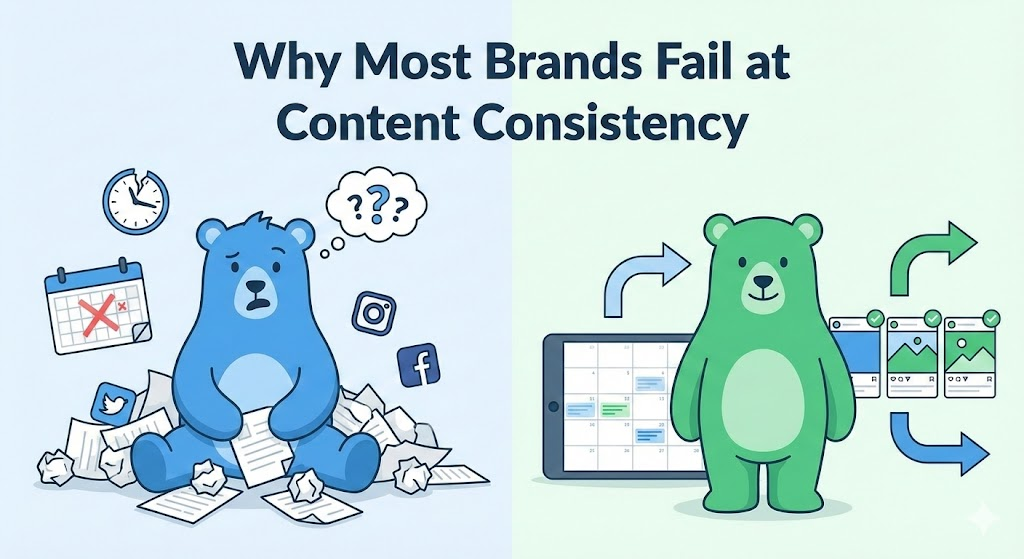
Content consistency isn’t just a buzzword—it’s the backbone of successful digital marketing. Yet, more than 80% of brands struggle to maintain it. You’ve seen it happen: businesses start strong with daily posts, inspiring captions, and polished graphics, only to disappear from feeds within weeks. The root cause? Poor content planning that fails to create sustainable systems.
Why does this happen so often? The answer isn’t laziness or lack of ideas. Most brands fail at consistency because they misunderstand what it actually requires. They confuse activity with strategy, volume with value, and trending with building.
This article breaks down the real reasons brands can’t maintain consistent content and, more importantly, shows you exactly how to fix it. Whether you’re a startup or working with the best digital marketing agency in Gurgaon, understanding these principles will change how you approach content planning forever. By the end, you’ll have a clear framework to build a content system that actually sticks.
What Content Consistency Actually Means
Before diving into why brands fail, let’s clarify what consistency really means—because most people get this wrong from the start.
Content consistency isn’t about posting every single day. It’s not about flooding Instagram with stories or tweeting 20 times daily. True consistency means maintaining alignment across four critical dimensions: Visual identity, Brand voice, Posting frequency, and Core messaging.
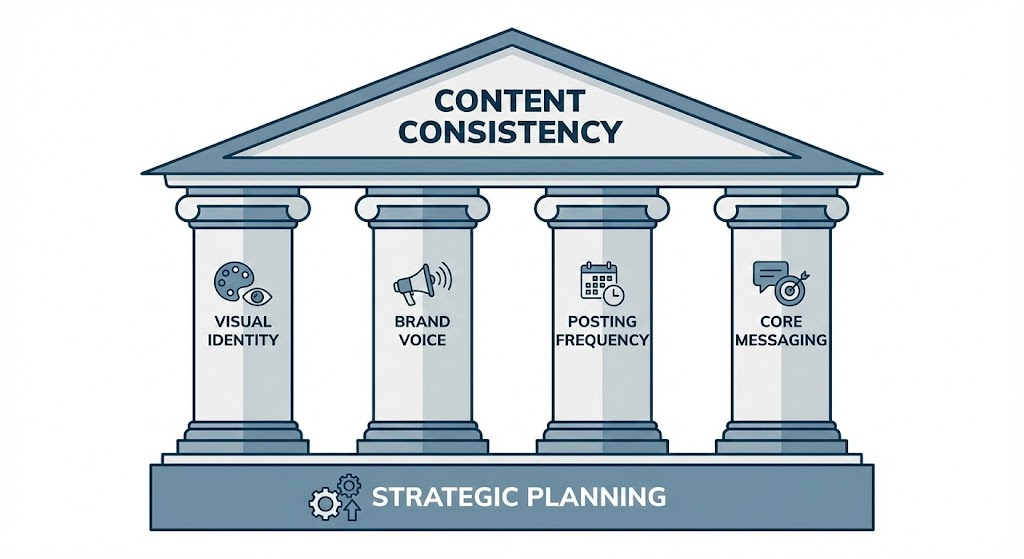
Visual consistency means your audience recognizes your content instantly—same color palette, similar design elements, cohesive style. Voice consistency ensures whether someone reads your LinkedIn post or website blog, they hear the same personality. Frequency consistency doesn’t mean daily posting; it means predictability. If you post Mondays and Thursdays, your audience learns to expect you then.
Message consistency is perhaps most important: every piece of content should connect back to your core values and business goals. When you promote a new product launch strategy, the messaging should align with your existing brand narrative, not feel like it came from a completely different company.
Many brands chase viral trends, thinking that’s consistency. But jumping from AI content to crypto advice to wellness tips confuses your audience. They don’t know who you are or why they should care. Real consistency builds recognition, trust, and eventually, loyalty. It’s the difference between brands people scroll past and brands people wait for.
The Biggest Reasons Brands Fail at Consistency
A) No Clear Strategy
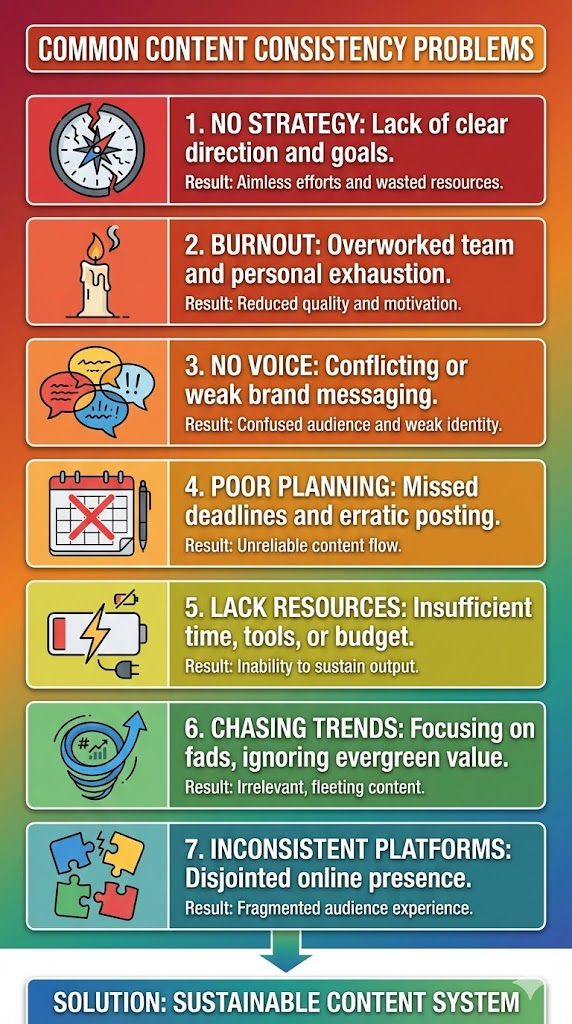
This is the number one killer of content consistency. Most brands start creating content without asking fundamental questions: What are we trying to achieve? Who exactly are we talking to? What transformation do we want to create?
Without strategy, content becomes random. You post because “we should post something today,” not because it serves a purpose. One day it’s a motivational quote, next day a product feature, then a meme. There’s no thread connecting them, no story being told, no journey for your audience.
The lack of strategy shows up in metrics too. When brands track nothing except “likes,” they have no idea what’s working. They don’t know if their content drives website visits, generates leads, or builds brand recall. They’re creating in the dark.
Strategy means having clear objectives for each content piece. It means knowing that Monday posts educate prospects about pain points, Wednesday posts showcase solutions, and Friday posts build community. Every post has a role in your larger customer buying behavior strategy.
Without this foundation, burnout is inevitable. When you don’t know why you’re creating, creativity dries up fast. That’s when the gaps in posting start appearing, and consistency dies.
B) Trying to Do Too Much Too Fast
Ambition kills more content calendars than laziness ever will. Brands see competitors posting three times daily across six platforms and think, “We need to do that too.”
So they commit to TikTok, Instagram, LinkedIn, Twitter, Facebook, Pinterest, and YouTube. They promise daily posts, weekly blogs, email newsletters, and podcasts. For about two weeks, the team runs on adrenaline and determination. Then reality hits.
Creating quality content takes time. A single well-researched blog post requires hours of writing, editing, and design. A professional video needs scripting, filming, and editing. Multiply that across multiple platforms, and you’ve created an unsustainable workload.
The result? Quality plummets. Posts become rushed, generic, low-value. Or worse, the team burns out completely and stops posting altogether. Your audience sees the decline and loses trust.
Smart brands start small. They choose one or two platforms where their audience actually engages. They commit to a realistic frequency—maybe twice weekly. They focus on making those posts excellent rather than spreading themselves thin. Once that rhythm is effortless, they expand.
Sustainable consistency beats sporadic intensity every time. Marathon runners don’t sprint—and neither should your content planning strategy.
C) No Defined Brand Voice
When different team members create content without guidelines, your brand develops multiple personality disorder. Monday’s post sounds corporate and formal. Wednesday’s post is casual with lots of emojis. Friday’s post tries to be funny but comes across as trying too hard.
This inconsistency is jarring for audiences. They can’t form a relationship with your brand because they don’t know who they’re talking to. Are you the friendly expert? The serious authority? The quirky disruptor? When your voice changes constantly, trust never builds.
Brand voice goes beyond tone—it’s word choice, sentence structure, humor style, and values expression. Does your brand use “we” or “I”? Do you write long, thoughtful paragraphs or punchy, short sentences? Do you educate, entertain, or inspire?
Without documentation, every content creator interprets your brand differently. The designer thinks you’re edgy, the writer thinks you’re professional, the social media manager thinks you’re playful. The result is fragmented, confusing content.
Creating a brand voice guide solves this. Document specific characteristics: “We’re conversational but not unprofessional. We use humor but never sarcasm. We’re confident but not arrogant.” Include examples of what to do and what to avoid.
When everyone follows the same voice guide, consistency emerges naturally—even with multiple creators. Your audience hears one coherent personality, and that’s when connection happens.
This reactive approach makes consistency impossible. Some days you’ll have ideas; other days you won’t. Some weeks you’ll have time; others you won’t. Your posting becomes erratic, and gaps appear.
Effective content planning means thinking in batches and planning in advance. Successful brands plan content monthly, create it weekly, and schedule it in advance. They know exactly what’s going live for the next 30 days.
A content calendar is non-negotiable. It doesn’t need to be fancy—a simple spreadsheet works. The key is visibility: everyone sees what’s planned, when it goes live, and who’s responsible. This prevents last-minute panic and ensures nothing falls through cracks.
Planning also allows strategic alignment. You can ensure variety, balance educational and promotional content, and tie posts to business goals. When you see the whole month laid out, patterns emerge that you’d miss in day-to-day creation.
Digital marketing strategies that succeed all include robust planning frameworks. It’s not optional—it’s foundational.
E) Lack of Resources or Skills
Small teams face a brutal reality: consistent, quality content requires skills most single people don’t possess. You need writing ability, design skills, video editing, SEO knowledge, platform expertise, analytics interpretation, and strategic thinking.
Many businesses assign content creation to whoever has “free time”—usually someone whose actual job is something else entirely. The accountant posts when they can. The sales manager writes blog posts between calls. Quality suffers, and nothing is consistent.
Even dedicated content creators struggle without proper tools. Creating professional graphics without design software is difficult. Editing video without proper equipment is time-consuming. Writing SEO-optimized content without research tools is guesswork.
Budget constraints make this worse. Small businesses can’t afford full content teams, premium design tools, or expensive courses. They’re stuck in a cycle: poor content doesn’t drive results, so they can’t justify investing in better resources.
The solution isn’t always hiring more people. Smart resource allocation matters more. One skilled content creator with proper tools outperforms three people with no training. Investing in templates, AI writing assistants, and planning frameworks multiplies efficiency.
Many brands also underestimate the value of working with professionals. Partnering with experts—whether freelancers or agencies—can be more cost-effective than building in-house teams. The best digital marketing agency in Gurgaon can provide expertise and resources that would take years to develop internally.
F) Chasing Trends Instead of Building Identity
Trend-hopping is tempting. You see a viral meme format, a popular hashtag, or a new platform feature, and think, “We should do that!” So you jump on it, even if it has nothing to do with your brand.
This week you’re posting about AI tools because everyone else is. Next week it’s cryptocurrency. Then it’s mental health awareness. Then it’s celebrity gossip. Your feed looks like a random content aggregator, not a business with purpose.
Trends can work—when they align with your brand identity. If you’re a tech company, discussing AI makes sense. If you’re a finance advisor, crypto content fits. But forcing trends just because they’re popular dilutes your message.
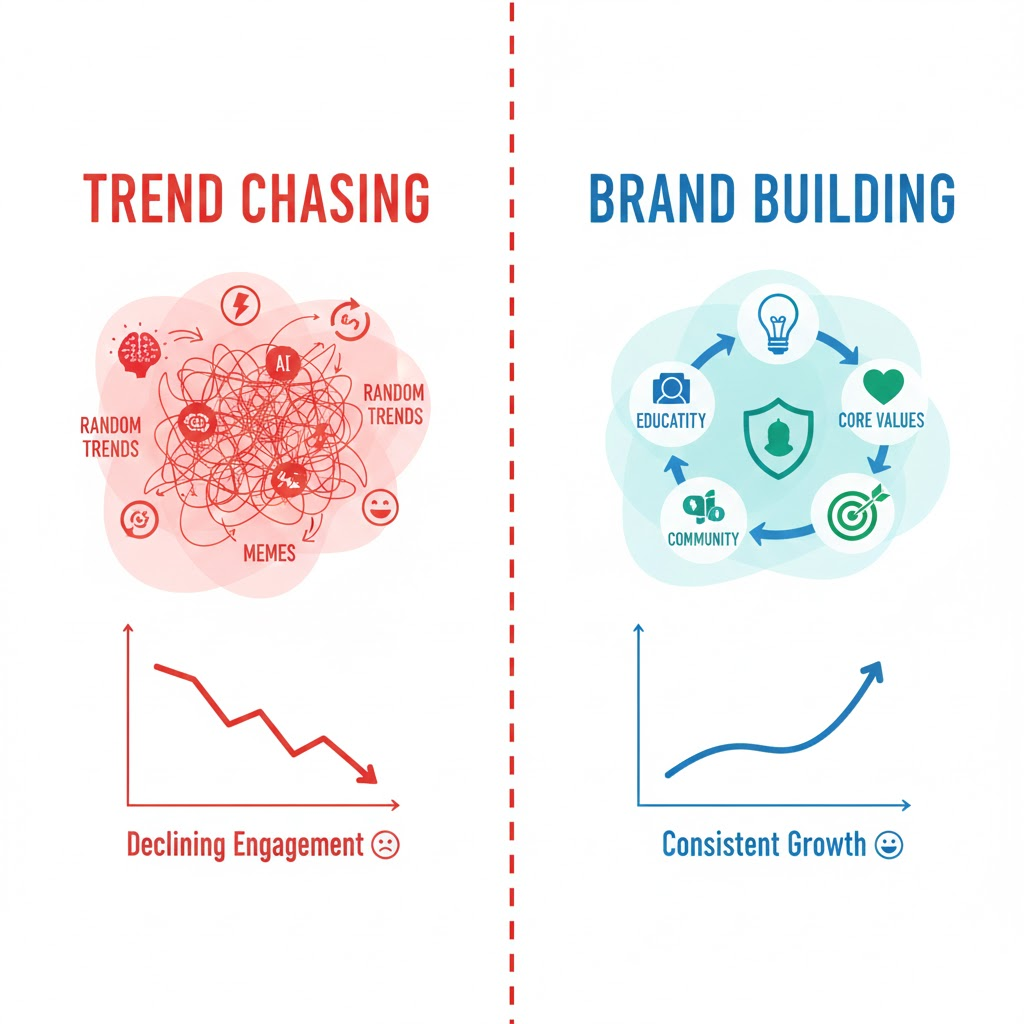
Worse, trend-chasing attracts the wrong audience. People might engage with your viral meme, but they won’t care about your actual services. You get meaningless vanity metrics—likes from people who’ll never become customers.
Building brand identity means having a clear lane and staying in it. Decide what you stand for, what topics you own, and what transformation you provide. Then create content that reinforces that identity consistently.
This doesn’t mean never using trends. It means filtering trends through your brand lens. Ask: “Does this trend serve our audience? Does it align with our values? Can we add unique perspective?” If not, skip it.
Brands that build strong identities become the trend, rather than following trends. They create the conversations others join. That’s when content consistency becomes effortless—because you’re just being yourself.
G) Inconsistent Platform Usage
Many brands maintain completely different personalities across platforms. Their Instagram is fun and casual, LinkedIn is corporate and boring, Twitter is aggressive and controversial, Facebook is… forgotten.
This fragmentation breaks brand recognition. Someone who follows you on Instagram won’t recognize your LinkedIn profile. They’re essentially experiencing multiple brands, not one cohesive identity.
Different platforms do require slight adjustments—LinkedIn naturally skews more professional than TikTok. But your core brand should remain recognizable everywhere. The tone might shift slightly, but values, visual identity, and key messages should be consistent.
Inconsistent platform usage also happens when brands abandon certain channels. They start strong on every platform, then gradually focus only on what’s “working.” Their Facebook page hasn’t posted in six months. Their Twitter is active but Pinterest is dead.
This scattered presence hurts more than helping. It’s better to be excellent on two platforms than mediocre on six. Choose platforms where your audience actually engages, then maintain consistent quality there.
Cross-platform consistency also means synchronized messaging. If you’re running a promotion, it should appear across all active platforms with adapted-but-aligned messaging. Your social media management should feel coordinated, not random.
What Consistent Brands Do Differently
Brands that maintain consistency don’t work harder—they work smarter. They’ve built systems that make consistency the path of least resistance.
First, they use simple frameworks instead of reinventing content daily. Many successful brands use pillar content models: choose 3-5 core topics, and every piece of content falls under one pillar. This creates variety while maintaining focus.
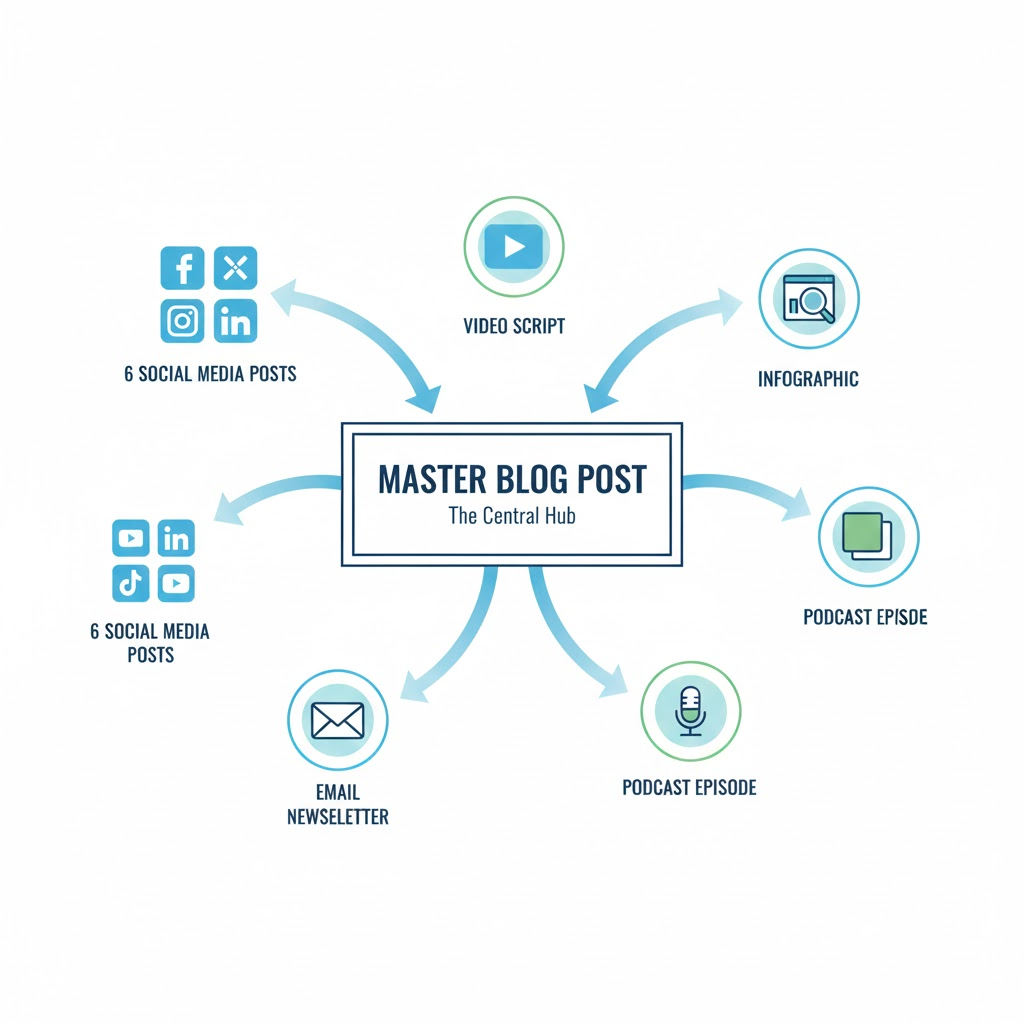
Second, they reuse and repurpose intelligently. One well-researched blog becomes six social posts, an email newsletter, a video script, and an infographic. They extract maximum value from every piece of content they create.
Third, they think in campaigns, not individual posts. Instead of “what should we post today,” they ask “what story are we telling this month?” Content becomes chapters in a larger narrative rather than disconnected fragments.
Fourth, they prioritize value over frequency. They’d rather post twice weekly with genuinely useful content than daily with filler. Their audience trusts that every post is worth their time.
Fifth, they view content as long-term investment, not immediate sales tool. They understand that storytelling techniques build relationships, and relationships eventually drive business. They measure success in audience growth, engagement depth, and brand recognition—not just this week’s conversions.
These brands also embrace constraints creatively. Limited resources force them to be strategic. They can’t post everywhere, so they choose carefully. They can’t cover everything, so they specialize. These constraints become competitive advantages.
How to Build a Consistent Content System
Building consistency requires a systematic approach. Here’s exactly how to create a content planning system that actually works:
Step 1: Create Your 4-Pillar Content Model
Choose four core themes that represent your expertise and audience needs. For example, a marketing agency might choose: Strategy Tips, Industry Trends, Case Studies, and Team Culture. Every piece of content fits one pillar.
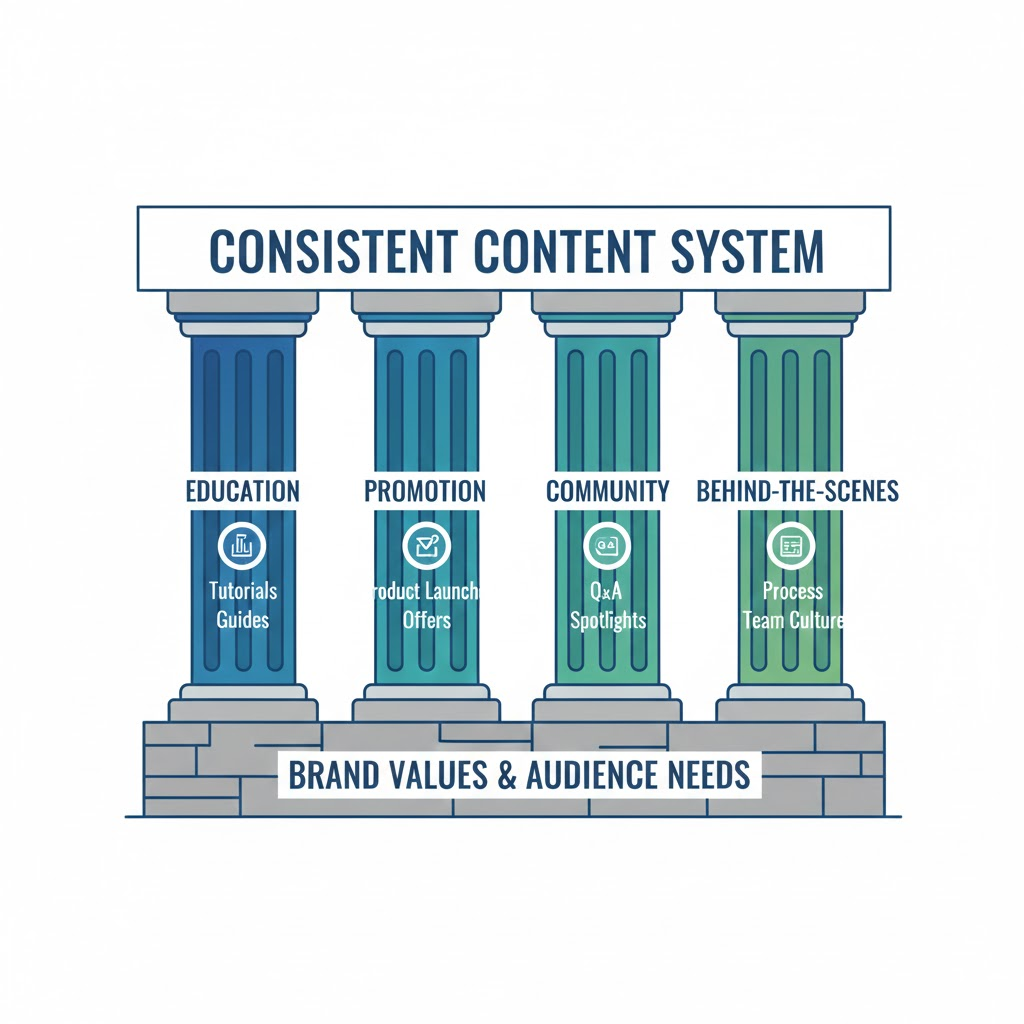
This immediately solves the “what should we post” problem. When planning content, you cycle through pillars, ensuring variety and focus. It prevents random content while giving creative freedom within each pillar.
Step 2: Plan Monthly, Execute Weekly
Dedicate one day monthly to content planning. Brainstorm ideas for each pillar, assign them to specific dates, and create a master calendar. This bird’s-eye view ensures strategic balance.
Then, dedicate one day weekly to content creation. Batch-create all content for the following week in one focused session. Write all copy, design all graphics, schedule everything. This batching is exponentially more efficient than creating daily.
Step 3: Build Templates and Frameworks
Create templates for each content type: social media posts, blog headers, email newsletters, video thumbnails. Templates ensure visual consistency while saving massive time.
Also develop content frameworks—repeatable structures for different post types. For example: Problem → Solution → Action posts. Story → Lesson → Application posts. Statistic → Context → Takeaway posts. Frameworks maintain quality while speeding creation.
Step 4: Establish Your Brand Voice Checklist
Document your voice characteristics in a simple checklist format. Before publishing any content, run it through: Does this sound like us? Would our audience find this valuable? Does this advance our key messages?
Include specific do’s and don’ts: “We use contractions and conversational language.” “We avoid jargon and corporate speak.” “We’re helpful, not salesy.”
Step 5: Set Realistic Posting Frequency
Honestly assess your capacity. If you can realistically create two excellent posts weekly, commit to that. Don’t promise five posts if you can’t sustain it. Underpromise and overdeliver beats the opposite.
Remember: your audience would rather see you twice weekly consistently than five times for a month, then nothing for six weeks. Reliability builds trust more than volume.
Step 6: Use AI and Automation Tools Wisely
AI tools can dramatically improve efficiency, but they’re assistants, not replacements. Use AI for idea generation, first drafts, and research—then add human insight, brand voice, and strategic thinking.
Content planning tools, scheduling platforms, and template libraries multiply your effectiveness. Invest in tools that eliminate repetitive work, freeing you for strategic thinking.
Implementing this system takes initial effort, but once running, it makes consistency effortless. You’re no longer forcing content—you’re following a proven process.
Tools That Make Consistency Easy
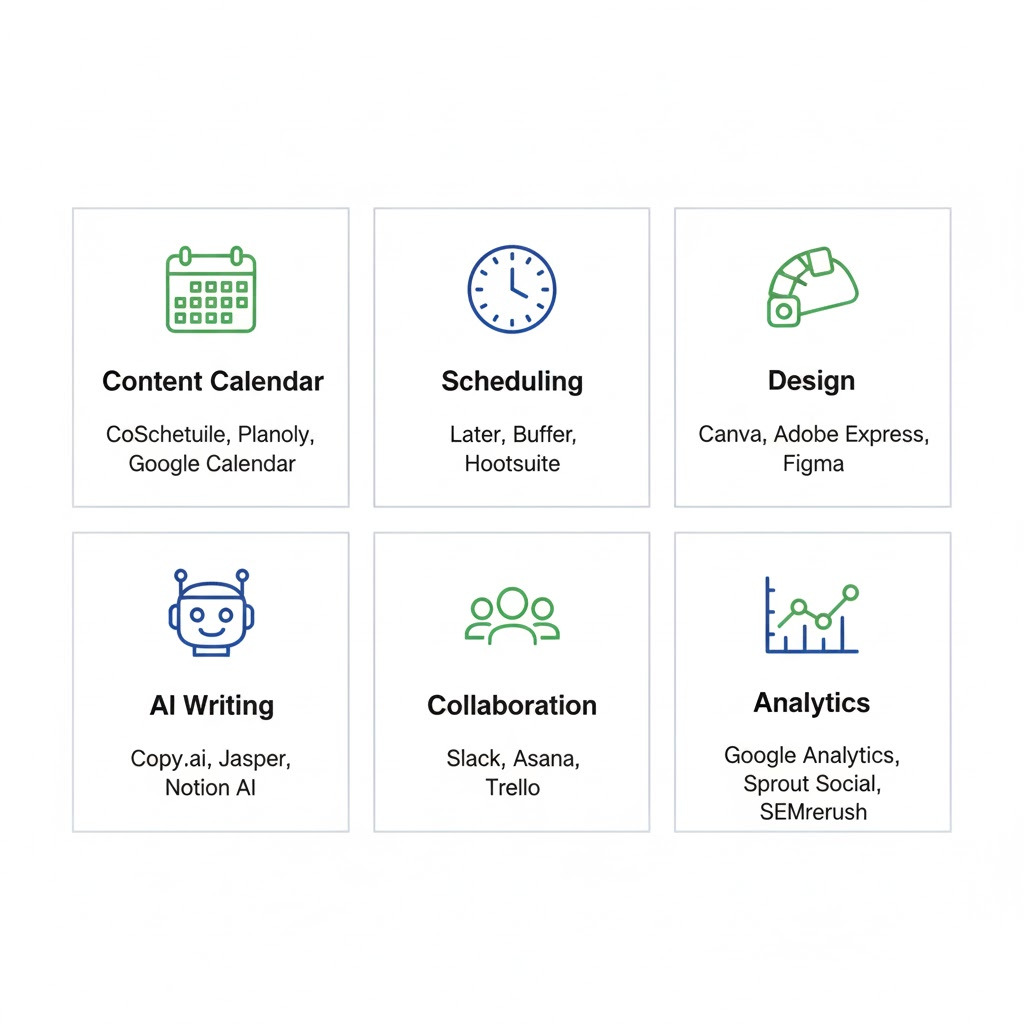
The right tools transform content creation from overwhelming to manageable:
Content Calendar Tools: Notion, Trello, Airtable, or even Google Sheets provide visibility and organization. Choose whatever your team will actually use consistently.
Scheduling Platforms: Buffer, Hootsuite, Later, or native platform tools let you batch-create and schedule in advance, removing daily posting pressure.
Design Tools: Canva, Adobe Express, or Figma enable non-designers to create professional graphics using templates and brand kits.
AI Writing Assistants: Tools like Claude, ChatGPT, or Jasper accelerate content creation, though human editing remains essential for brand voice and accuracy.
Collaboration Tools: Slack, Asana, or Monday.com keep teams aligned, especially when multiple people contribute to content.
The key isn’t using every tool—it’s choosing the right ones for your workflow and using them consistently. Start simple, then add complexity as needed.
Conclusion
Content consistency isn’t about perfection or superhuman effort—it’s about systems, strategy, and sustainable practices. Most brands fail because they approach content reactively, ambitiously, and without clear direction.
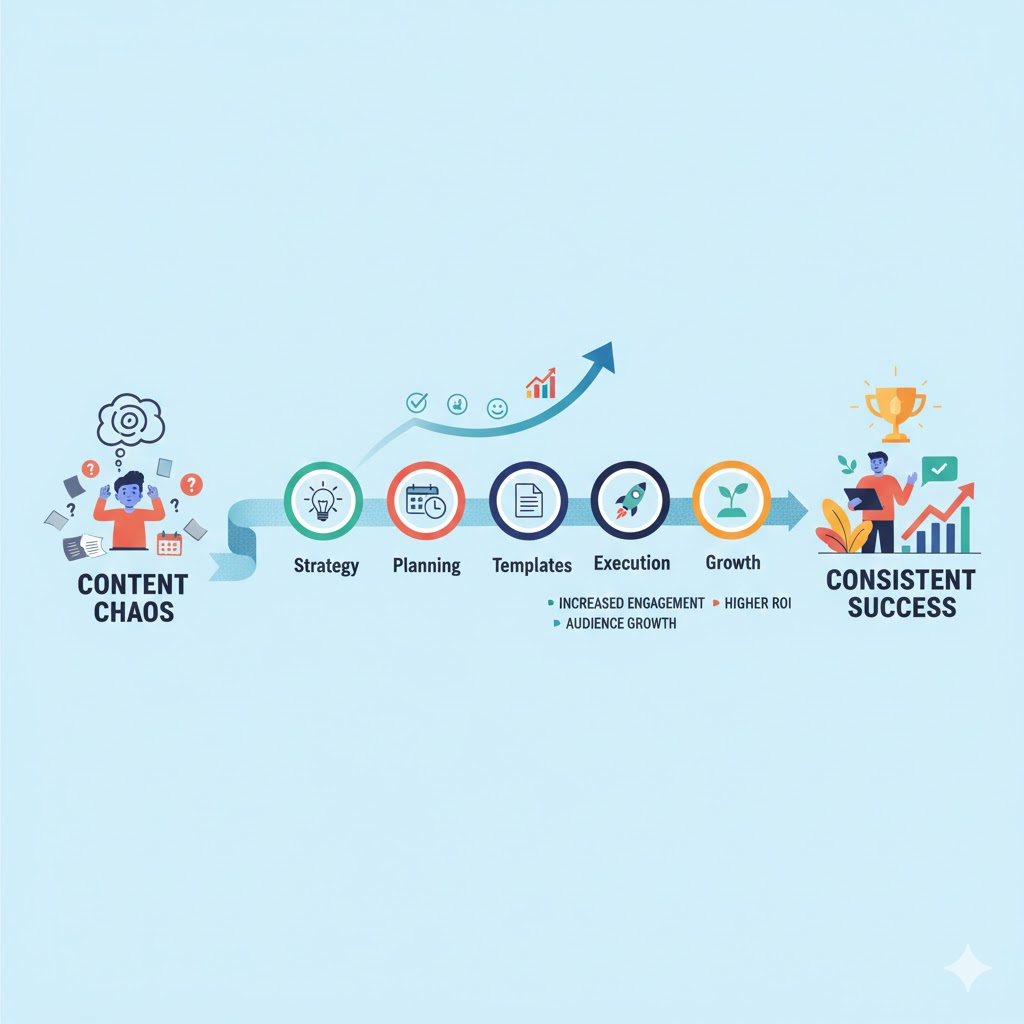
The brands that succeed understand that consistency is a skill you build, not a personality trait you’re born with. They create frameworks, plan ahead, focus their efforts, and continuously refine their approach.
Remember: your audience doesn’t need daily content. They need valuable, reliable content that helps them solve problems and achieve goals. Give them that consistently, and they’ll reward you with attention, trust, and eventually, business.
Whether you’re building your content system in-house or partnering with experts—like working with the best digital marketing agency in Gurgaon—the principles remain the same. Start with strategy, build sustainable processes, and commit to the long game.
Content consistency isn’t the finish line. It’s the vehicle that gets you there. Build your system, trust the process, and watch what consistency creates over time.
Ready to build a content system that actually works? Start with content planning today—your future self will thank